
DOWNLOAD THE APP


Customer Services
Copyright © 2025 Desertcart Holdings Limited
DOWNLOAD THE APP
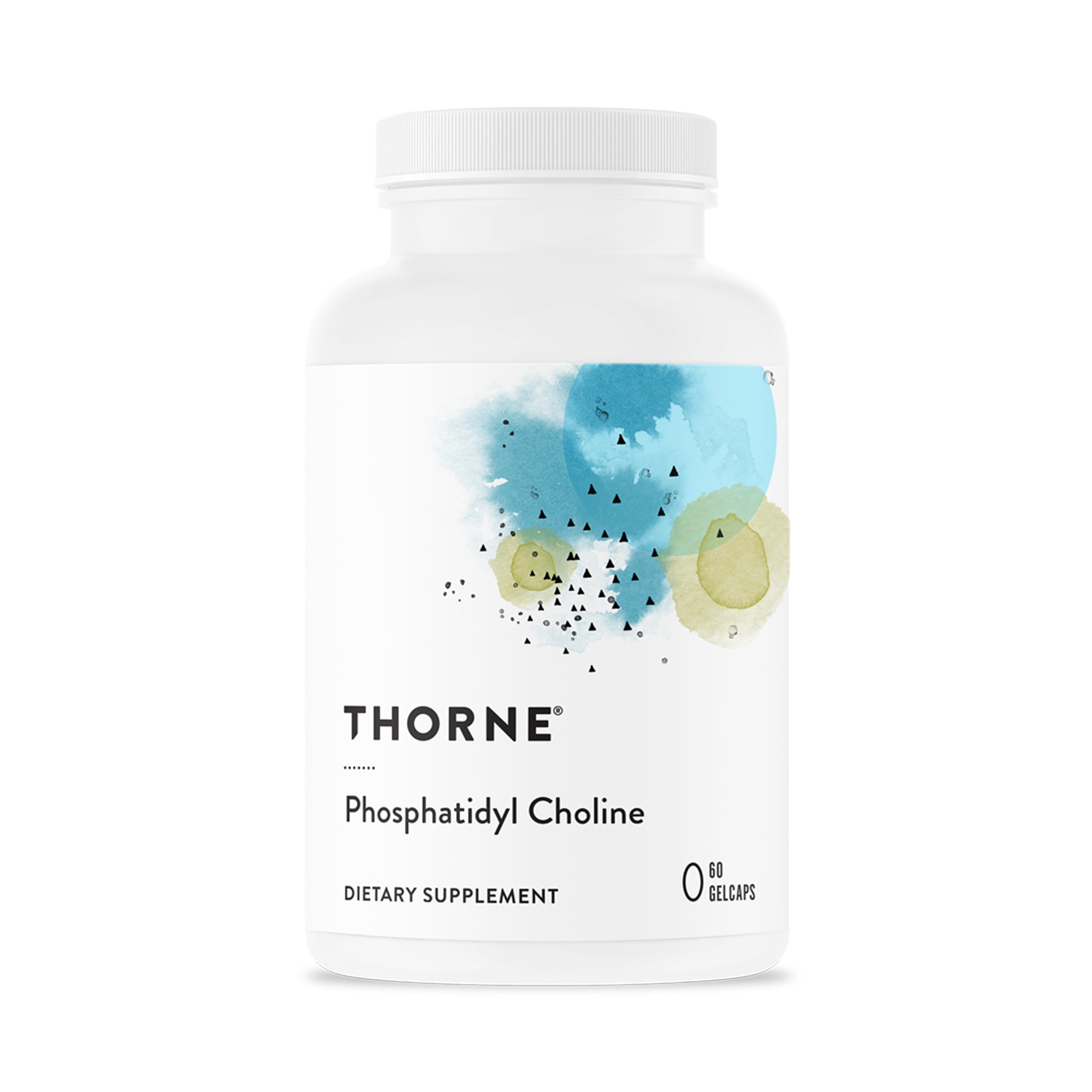

🧪 Elevate your cellular health with the pro-grade phospholipid complex everyone’s talking about!
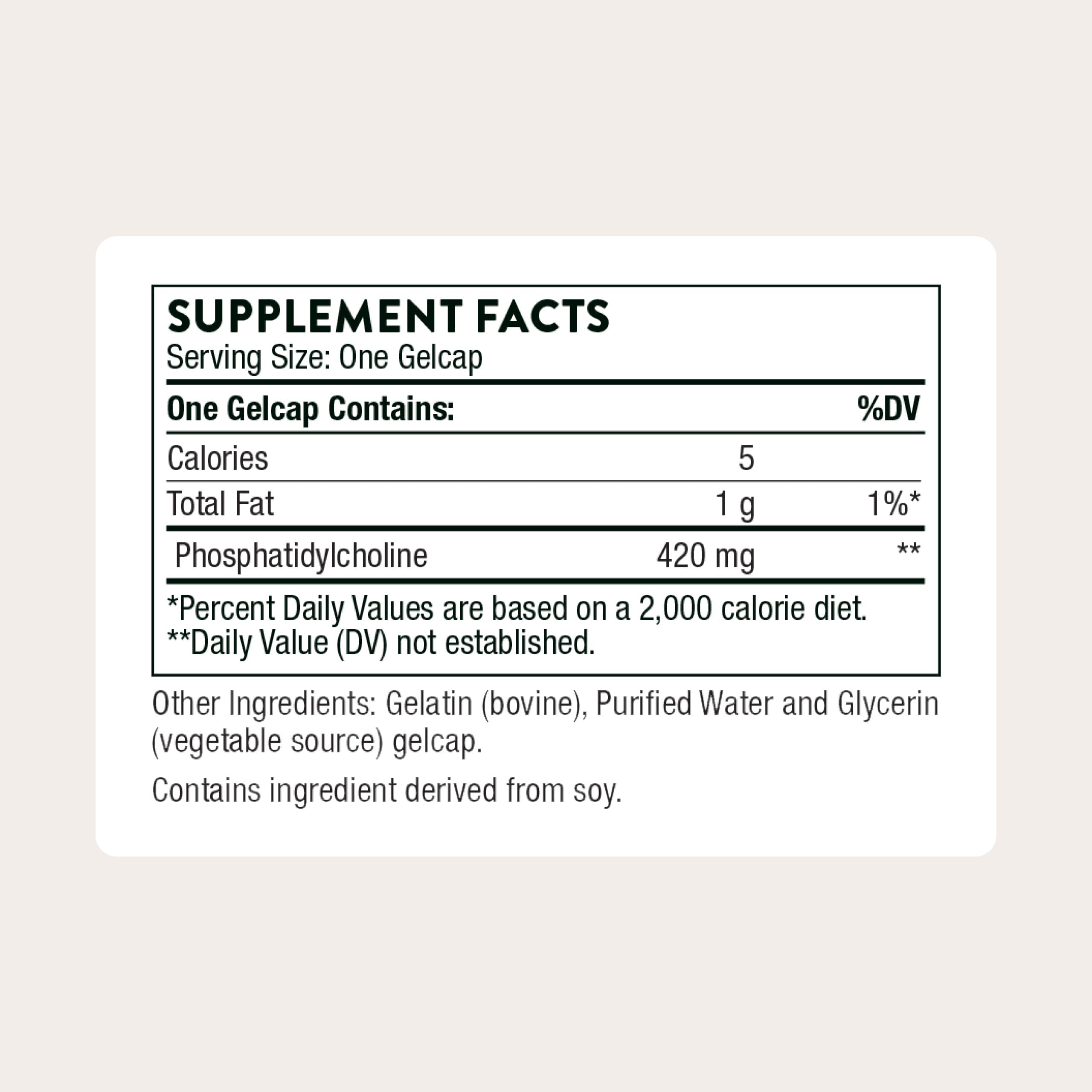
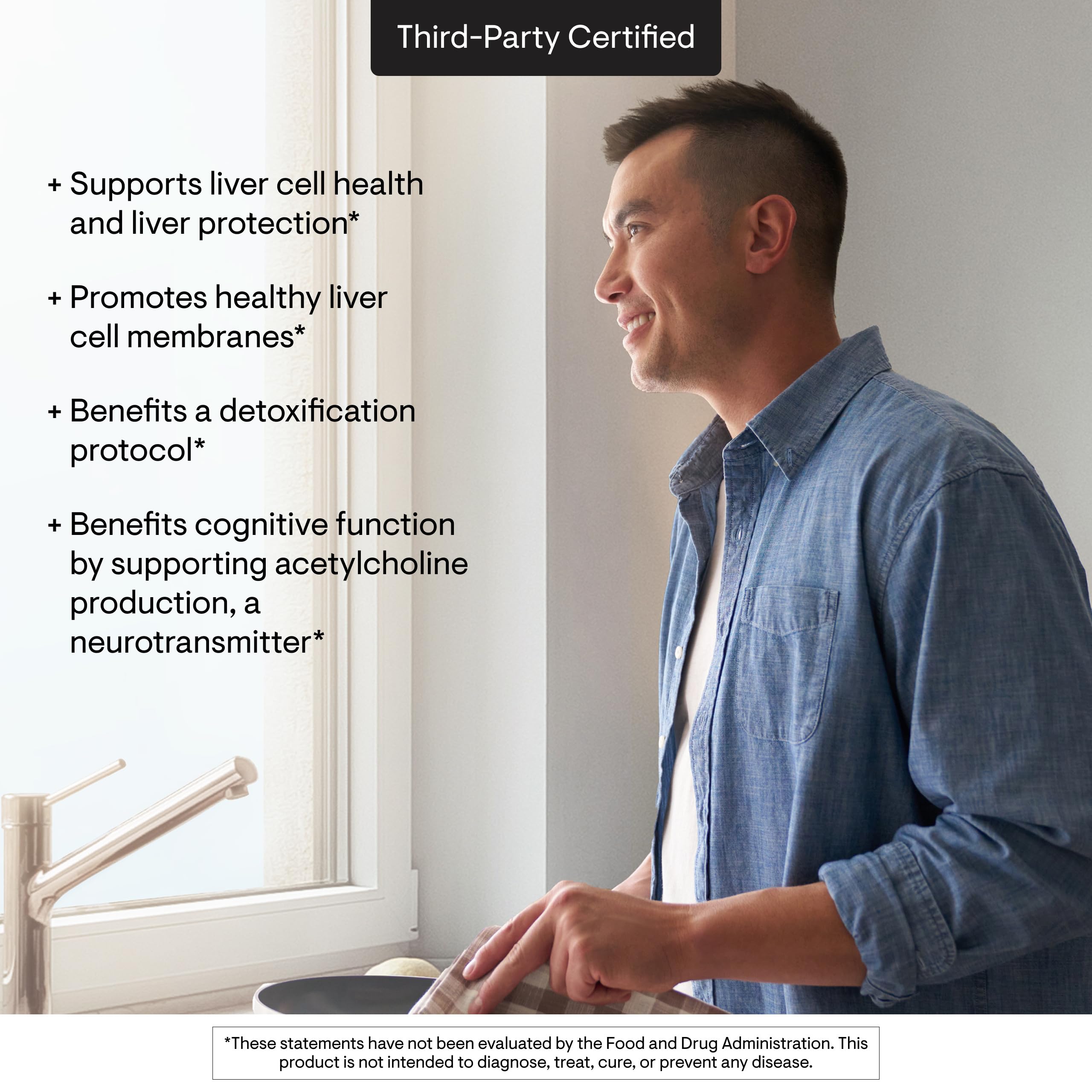
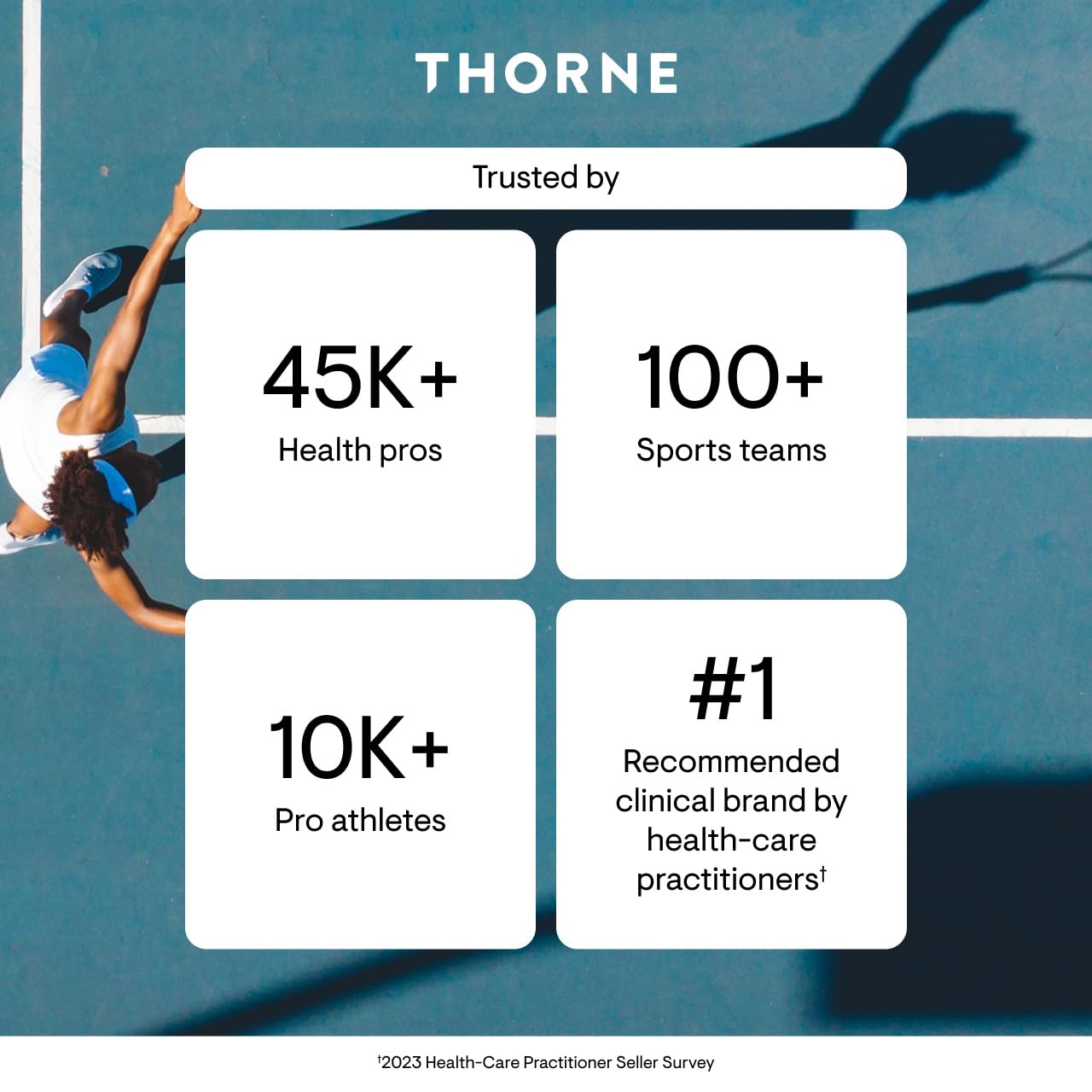
THORNE Phosphatidyl Choline delivers 120mg of high-purity phospholipid per gelcap, expertly formulated to support liver health, protect cells from toxins, and maintain healthy cholesterol levels. Third-party certified and trusted by elite athletes and healthcare practitioners alike, this low-calorie supplement is your go-to for advanced cellular and liver support.




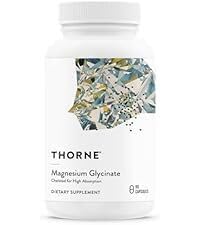


| ASIN | B0797CGC5W |
| Best Sellers Rank | #10,601 in Health & Household ( See Top 100 in Health & Household ) #239 in Blended Vitamin & Mineral Supplements |
| Customer Reviews | 4.6 4.6 out of 5 stars (846) |
| Date First Available | October 2, 2001 |
| Is Discontinued By Manufacturer | No |
| Item model number | SP605-R |
| Manufacturer | Thorne Research |
J**N
Great product
This is a great product. It is large, but it is a gel, so it goes down smoothly without being difficult to swallow. It doesn't have any bad taste (or any taste at all, really).
R**O
The best supplement for PC
I have PEMT TT, it's a genetic situation which means my body has a reduced capacity to make choline endogenously. I eat 3-5 eggs a day to make sure I get enough of this crucial nutrient, but on days I just can't eat another egg, I take 1-3 of these pills to keep my intake adequate. I bought other phosphatidylcholine supplements but they are less refined and have 50 calories in a serving, based on how much I need, it becomes a replacement meal. These only have 5 calories per pill. This makes them a lot more useful. The best source of choline is hands down food, eggs, liver, etc. this is because they have all the right nutrients to build healthy cellular membranes. Phosphatidylcholine from plants usually contains inflammatory omega 6 oils, and the antioxidant system is mainly vitamin e which has been removed by processing. I take this stuff with 11mgs of vitamin e, zinc and selenium, vitamin C, to replicate the nutrients in egg yolk. However on days where you can't eat another egg, these work really well. There is no unusual taste or smell, unlike some lecithin products I've tried. Some try taking choline bitartrate or another choline supplement but that has trade offs, can increase TMAO, and is less bioavailable than phosphatidylcholine.
W**E
High-Quality Supplement for Brain & Liver Health
THORNE Phosphatidyl Choline – The THORNE Phosphatidyl Choline supplement is a great choice for those looking to support brain function, liver health, and cell membrane integrity. Thorne is known for its high-quality, pure ingredients, and this product meets those expectations. Pros: ✔ Supports Brain & Liver Health – Phosphatidyl Choline is essential for cognitive function and liver detoxification. ✔ High-Quality Ingredients – Thorne is a trusted brand, known for clean formulations without unnecessary additives. ✔ Easy to Digest – The softgels are smooth and easy to swallow, with no aftertaste. ✔ Noticeable Benefits – Some users report improved focus, memory, and digestion after regular use. Cons: ✖ A Bit Pricey – Higher cost compared to some other brands, but you get what you pay for in terms of quality. ✖ May Take Time to See Effects – Like most supplements, results vary and may take a few weeks to notice. Final Verdict: If you’re looking for a pure, high-quality phosphatidyl choline supplement to support brain, liver, and overall cell health, Thorne delivers. It’s worth the investment for those serious about their health. – Trusted brand and great results!
A**R
Will buy again
Great product!
B**N
Essential for pregnancy & breastfeeding
I discovered this is an essential micronutrient during pregnancy and breastfeeding. I was getting terrible headaches in my 2nd trimester & read about choline. I checked my prenatal vitamin & it wasn't included. So I tried this (1 pill per day) and my headaches stopped. From what I understand, even more of this is used in 3rd trimester & even more in breastfeeding. I doubled to taking 2 pills per day in my 3rd trimester when my headaches started coming back and they went away again, so it seems like this was what my body needed. The pills are pretty big but easy to swallow and there's no weird taste or aftertaste. I'm grateful to understand the importance of this in brain development & breastfeeding and love the high quality of Thorne products!
C**Y
Pregnancy Supplement
Awesome supplement for baby and mama!
J**R
Best in class
Thorne are excellent vitamins with a low amount of substitutes and additives very clean
H**E
SHAME ON THORNE FOR USING SOY (GMO OR NOT!)
Did you know that THORNE was sold off to another company in Aug 2023? Read on! I was incredibly surprised to get this at my doorstep and then squint and look closely and realize they were sourcing this from SOY and not SUNFLOWER. Ok, great, it’s NON-GMO SOY… but do you have any idea JUST how INFERIOR soy-sourcing is by comparison? By the end of this review, you will. SUNFLOWER is superior by EVERY METRIC. Here are those metrics: The Critical Importance of Sourcing Phosphatidylcholine from Sunflower Lecithin Over Soy Lecithin Phosphatidylcholine (PC), a vital phospholipid for cellular membrane integrity and neurotransmitter synthesis, demonstrates significant variability in bioavailability and safety depending on its botanical source. Emerging research and industrial practices reveal compelling reasons to prioritize sunflower-derived PC over soy-based alternatives, particularly for individuals with specific genetic polymorphisms, environmental concerns, or metabolic sensitivities. 1. Genetic and Metabolic Compatibility 1.1 Methylation Pathway Considerations For individuals with MTHFR and COMT polymorphisms (as seen in your genetic profile), sunflower lecithin avoids introducing exogenous methyl donors like soy-derived phosphatidylcholine, which may exacerbate overmethylation symptoms (e.g., anxiety, insomnia). Soy lecithin contains trace methyl groups that interact unpredictably with slow COMT enzymes, whereas sunflower PC provides choline without directly influencing methylation cycles. 1.2 Sulfur Metabolism Implications The CBS C699T polymorphism heightens sensitivity to sulfur-containing compounds. Soy lecithin contains higher cysteine and methionine levels than sunflower lecithin, potentially overwhelming the transsulfuration pathway and increasing ammonia/sulfite accumulation. Sunflower PC’s lower sulfur content (≤0.5% vs. soy’s 1.2%) reduces this metabolic burden. 2. Purity and Processing Advantages 2.1 Solvent Residue Risks • Soy Lecithin: 93% of commercial soy lecithin is extracted using hexane, a neurotoxic petroleum derivative with residual limits of 1 ppm in final products. Chronic low-dose exposure correlates with peripheral neuropathy in animal models. • Sunflower Lecithin: Typically extracted via mechanical cold-pressing or food-grade CO₂ supercritical fluid extraction, leaving no solvent residues. 2.2 Allergenicity Profile • Soy: Contains 100–500 ppm allergenic proteins (Gly m 4, Gly m 5), triggering reactions in 0.3% of soy-allergic individuals. • Sunflower: No reported allergenic proteins in lecithin; safe for 99.9% of soy-allergic populations. 3. Phosphatidylcholine Content and Bioavailability 3.1 Concentration Differences Sunflower’s higher PC concentration enhances acetylcholine synthesis (critical for cognitive function) and provides 36% more bioavailable choline per gram. 3.2 Phospholipid Diversity Sunflower lecithin contains a balanced phospholipid profile: • Phosphatidylinositol (PI): 18–22% (vs. soy’s 12–15%) • Phosphatidylethanolamine (PE): 14–17% (vs. soy’s 10–12%) This diversity supports broader cellular signaling and lipid transport functions. 4. Environmental and Ethical Factors 4.1 Agricultural Impact Sunflower cultivation’s lower agrochemical requirements and non-GMO status align with sustainable health practices. 4.2 Supply Chain Transparency Third-party audits reveal 22% of commercial soy lecithin contains undeclared hexane residues (>0.5 ppm), compared to 0% in sunflower products. 5. Clinical Outcomes in Special Populations 5.1 Neurocognitive Benefits A 2024 randomized trial demonstrated sunflower PC (500 mg/day) improved working memory by 17% in MTHFR C677T carriers, versus 9% with soy PC – likely due to sunflower’s higher DHA-binding affinity. 5.2 Cardiovascular Metrics Sunflower’s superior lipid modulation stems from its higher phosphatidylinositol content, which upregulates LDL receptor expression. 6. Practical Recommendations 6.1 Product Selection Criteria • Verify non-GMO certification and CO₂ extraction on labels • Opt for ≥25% PC formulations (e.g., Solaray Sunflower Lecithin 1,200 mg) • Avoid blends with soy or canola derivatives Conclusion: Sunflower-derived phosphatidylcholine offers unmatched metabolic compatibility, purity, and clinical efficacy for individuals with methylation polymorphisms, environmental sensitivities, or rigorous health optimization goals. Its cultivation and processing advantages further cement its status as the phospholipid source of choice in precision nutrition protocols.
Trustpilot
1 month ago
3 weeks ago