Some deliveries may take a little longer than usual due to regional shipping conditions.

DOWNLOAD THE APP


Customer Services
Copyright © 2025 Desertcart Holdings Limited
DOWNLOAD THE APP
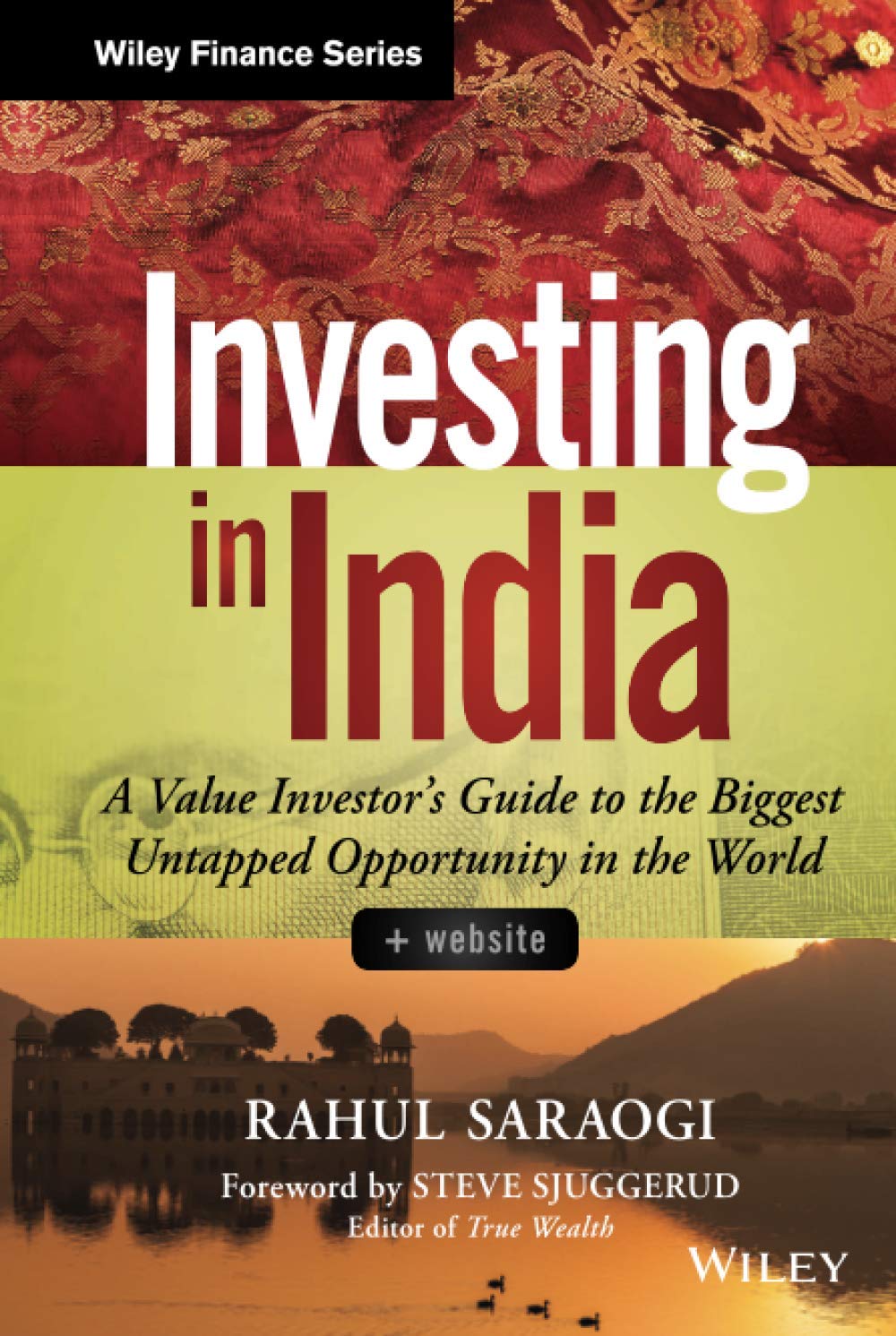
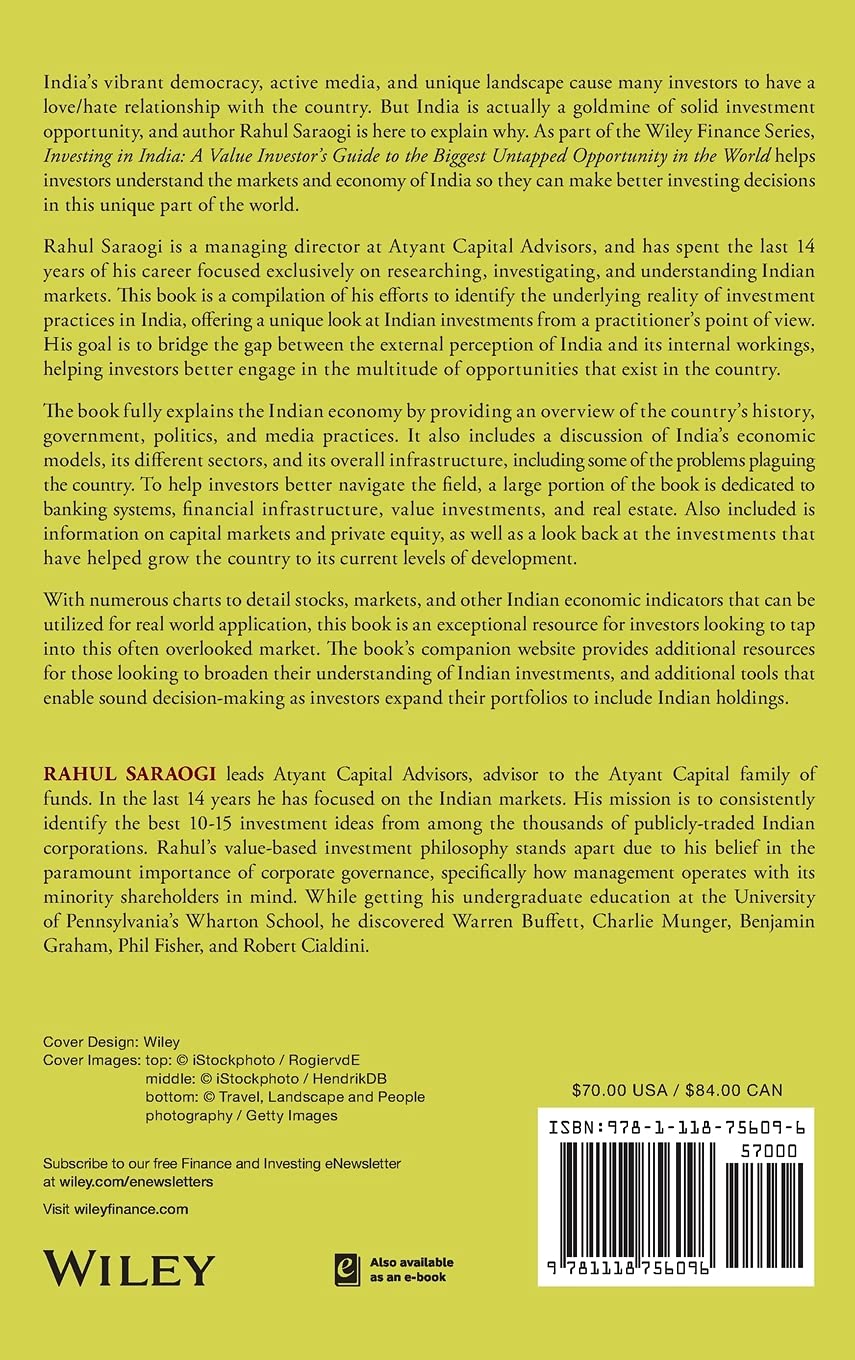
Full description not available
R**O
A CLEAR ANALYSIS OF INDIA TODAY FROM WHICH AN INVESTOR IS BETTER ABLE TO EVALUATE THE MODI TRANSITION.
The optimism sparked by the Modi election will need to be viewed from the clear prospective given by Rahul Saraogi"s broad analysis of the many areas of the Indian Economic and Investment landscape which must to be addressed to achieve India's great potential. The title of the book doesn't begin to explain the detailed approach to the explanation of all the dangers that face the uninformed investor in India. This is a great book for anyone interested in understanding the real India of today and the potential pitfalls in investing in India's future growth story.
V**H
A refreshing read of the great Investment potential of the country that is India
India is happening - and its like China of the 2006. However, the writer gives us a different tack of India different from the other folks - He has an advantage as he is based there and has a hedge fund that invests in what he believes and writes about - but it takes $250,000 to invest in his hedge fund. Are you going to see better returns in India than in other countries in the next three years - I believe so as this a awakening of a giant who has been under-served. So the choice of investing with Rahul vs. with others is the one to make and if you have at least $250,000 then it is a no brainer - Investing with Rahul is the way to go. If you don't have the funds then you have to go with the meager offerings in the ETF and mutual funds route - but do invest in India as it is going to give you a great return in the next few years and this man, Rahul is right there in the center of it all. A refreshing read.
R**W
brilliantly edited introduction to value investing in the Indian markets ...
This pithy, 150 page, brilliantly edited introduction to value investing in the Indian markets has hardly a wasted word in it. Dense in information but clearly written, if you want to learn about this subject, this is your book. No hot tips here, just a solid background.If you want to investigate further, the companion website has a plethora of links to additional information.
D**L
Another Book Review from the Aleph Blog
I learned a lot from this book. India is an amalgam of nations inside one country. It is difficult to generalize about investing in India but there are a few themes to follow.Most companies in India have a dominant shareholder, or family of shareholders. As such, though there are some companies like this in the US, the first prism you view any Indian company through is how they treat outside passive minority shareholders, particularly foreign ones. If they constantly give minority shareholders the short end of the stick, no matter how attractive the investment, avoid them.Analysis of corporate governance is paramount, because it is very difficult to take a company over in a hostile manner. Assume that the present management will never be changed. Does the company still look cheap if the value -destroying management team will remain there?Analyze capital allocation as well. If management acts like value maximizing businessmen, it could be a good company to invest in. If not, avoid.Structure of the BookThe book is a slow ramp up as far as business goes, talking about culture, politics, economy, and financial structure, before really digging into investing. These are good things to learn about, but the amount of time the book dedicates to making practical investment decisions in India is maybe 25% of the book.The Main ProblemAfter you read this book, you will realize that without detailed local knowledge, you don't stand a chance of investing in public Indian companies directly. As such, the book is of limited value to most people. So, though it is a good book, you probably would not benefit from reading it, aside from learning about Indian culture and government. You would have to build up a lot of knowledge about the Indian families who run public corporations in India -- which ones are favorable to outside passive minority investors, and which are not.Aside from that, they mention the website for the book, but it is just a collection of documents for the companies mentioned in the book.SummaryIndia is an unusual country with many challenges. You will learn a lot about it and its economy reading this book. When you are done reading this book, you will likely conclude that investing in Indian companies is best left to local experts like the author. The book gives a good framework, but one embarking upon investing in India will need to develop knowledge of which Indian families treat minority shareholders fairly and who do not.
S**N
and this book delivered beautifully.
I was looking for an insightful introductory text for a serious investor looking at Indian equities for the first time, and this book delivered beautifully.
Trustpilot
1 month ago
2 days ago