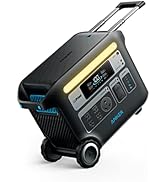
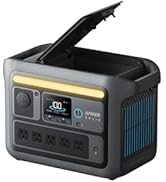
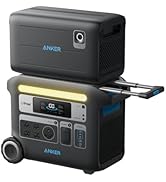
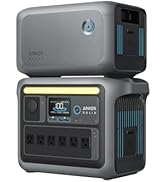
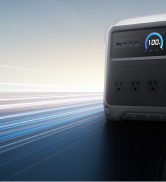
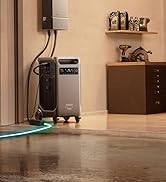
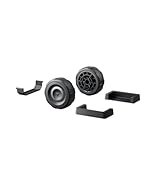
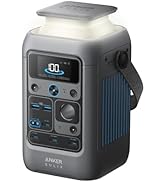
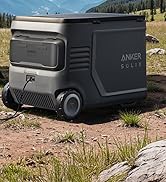
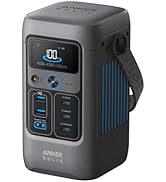
My review is specific to home back up. I’ll answer mobile questions quickly. Yes if a Tesla or other ev needed a jump the Anker f3800 could be driven to them. With an adapter plugged directly into the car and get them a few more miles. But it’d only be a few. Teslas have 100kwh batteries and this is 3.8kwh. So, that’s maybe 2 or 3 miles. Yes you could, if you had a woodshop and a garage that only had 110 outlets. Yes you could use this to run 220 tools. Which is neat. But, I have this for home backup. It’s plugged into the smart panel which, f3800 and smart panel cost around $4000. (If the price drops lower that month Anker gives you a credit. Email them.) with install, it’s another $1000. So my entire house is backed up and on a transfer switch that works instantly. It’s nice. Everyday we run off the f3800 until the battery is at 9%. The tv is on, it switches. You don’t notice. So that’s great. Also having a real time breakdown of power consumption is fantastic and you’ll probably spend the first few weeks obsessing over it. What’s eating power. How fast. All that. But, here’s why I chose Anker over ecoflow or Tesla Powerwall. First. Anker makes batteries. Always has. Tesla makes fantastic batteries. But while Anker was making batteries. Ecoflow was making drones. And they decided to make some batteries in 2017. I personally trust the company that’s been making nothing but batteries more than others. Anker has self consumption mode. We have solar panels on our roof, once this is connected to a smart panel self consumption mode sees how much solar is being made and how much the house is using. Anything extra it uses to charge itself. It can charge it self at a max rate of 1.8kwh. I live in California, lots of sun in summer, and it’s normally self charged by excess energy around 9:30am. Let’s say Solar is making 3kwh. I decide to run a large ac unit that takes 4kwh. Instead of using the grid, this will supply the extra 1kwh so I’m not using the grid. This is neat as once the ac shut off, the f3800 self charges from excess solar and sits and waits until it’s needed again. To my knowledge, ecoflow doeent have any self consumption mode. You plug it in. It takes from the grid or excess solar from the grid. But it doesn’t just do it on its own. The Tesla also doesn’t take from the pre installed panels. The Tesla is the best unit. However I didn’t want to spend $5800 for the delivery and install. And most importantly, I didn’t want to deal with permits and such. That can lead to a change in your power contract and who knows, probably taxes, so I didn’t want to deal with it. The Powerwall is the best out there. But it’s the most expensive. Now besides the cost and permits. I got the ecoflow over the Powerwall because I can plug solar panels directly into the Anker. The Powerwall. No. So, if you have a solar set up and it’s making 4kwh at peak. Great. But you can actually have another solar set up with the Anker. You can plug I believe 2kwh into it. I have a few panels that I keep for emergencies and in mid summer I plug them in. Even when just leaning against the house, they generate an extra 1kwh of power. Now my solar set up is larger. It takes more power and I have to pay less to the power company. Reason why I have extra panels. Well they’re huge. And that’s annoying. But everything is grid tied. Powerwall. Ecoflow. F3800. All of them. If everyone’s power goes out. Our house and most houses are set up so the solar panels go to the grid. Then the grid distributes to your home. Your back up battery etc. if you take the grid out of the equation, solar panels are useless. They don’t send power to the house. My external panels would. I plug them in. Power the Anker. It would slowly fill over the day, and our lights and fridges are back on while every neighbor relying on the grid or solar are crossing their fingers. So, downsides. Battery is small. Is what it is. That’s why their expansions. This cost more than building your own set up but it is a complete system that is perfected. The output when tied to a home panel is 1.8kwh. Which is fine. But you should know that as no one mentions it. They advertise the 6000w output that comes from the side plugs (that I never use) but the actual smart panel output is 1.8kwh. And warranty. It’s 5 years. I wish it were 10. They promise and advertise 10+ yeas. Easy. If that’s the case, then make it a 10 year warranty. 5 is great. But that extra coverage would make people feel better. Now, geeky numbers part. If there’s an outtage and you have power and don’t have to check into a hotel. Whatever. Paid for itself. We paid $5,000. It saves me about $1-$3 per day. If I switch the plan we have it’d save more. When it get a bigger system I will. But for now, we’re 33 cents per kWh. Since this charges itself and such, the system in summer stores and discharges about 5-6kwh a day. So that’s $1.65-$1.99. That excess power would be sold to the grid instead of charging my anker, but that’s maybe .30 I’m not making. They buy it for Pennie’s. So over the course of time, yes. It will save you money. But that is a long time. As it, this system will pay for itself after 8 years. So that’s not a reason to get excited and think of it as a money saving device. Again, if I had 12kwh or more of storage and switched to a time of use system. It’d pay for itself faster. Maybe within 5 years. But that means I’m buying another unit. More batteries. Etc. So, is this a silly purchase. I don’t think so. It’s a lot to get your foot in the door. You can build a much bigger, more capable system for way cheaper. Walrus makes one and it works and it’s cheap. But none of the home made or cheaper systems are as polished as this, ecoflow. Or Tesla. If you have panels already. This works with them. If you want to plug in extra so you expand your solar set up. This does that. The time this actually make me say. Worth it. Was during fires. We had fires and threats to our grid (and home) that went on for weeks. When we were in stage 1 evacuation (be ready) I opened the app. Moved a slider over from 9% reserve power to 100% and the unit instantly charged itself. It took power from the grid and stayed at 100%. If we lost power. Our house and maybe a few others in our area would have lights on. It was a simple click. And we were prepared for a blackout. That was nice. I’ve only used that option once. But that was nice knowing it’s that simple. There is a tax credit. Where I live is get 30% back. That takes the $5000 cost down to $3800. Assuming I get all of the credit. Me personally. Yes. I plan on building the system up, one more battery every year. Switching to a time of use plan. And setting panels up on a pergola. So for me. Yes. This makes sense. The price to pay is high. But not having to deal with permits. Being able to use current panels. And I guess if I went to a park and needed power, being able to roll this out and then plug it right back in would be great. Good luck lifting it. It has wheels. It moves well. But it’s as heavy as a keg and shaped like one. It’s bigger than you think it’ll be. And it’s heavier than you think it’ll be. Rolling it is easy peasy. The handles are perfect. They help lift it. But it’s still heavy and stout.