🎶 Elevate Every Beat — Your Sound, Your Signature
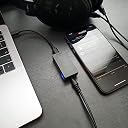
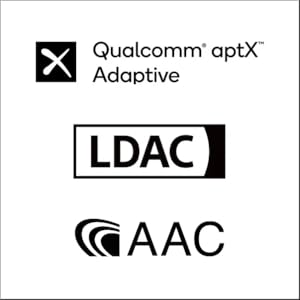
The Qudelix-5K is a premium Bluetooth 5.0 receiver and USB DAC/AMP featuring dual ES9219 DACs for ultra-high fidelity audio. It supports top-tier codecs including LDAC, aptX Adaptive, aptX HD, and AAC, delivering up to 96kHz/24bit resolution. With a powerful 6-20 hour battery life, a pro-grade 10-band equalizer, and a compact clip-on design, it transforms wired headphones into a wireless audiophile experience tailored for discerning listeners.


| ASIN | B088F7C976 |
| Amplifier Type | Solid State |
| Audio Wattage | 5 Watts |
| Batteries | 1 Lithium Polymer batteries required. (included) |
| Batteries Included | Yes |
| Batteries Required | Yes |
| Battery Average Life | 6 Hours |
| Battery cell composition | Lithium Polymer |
| Brand | QUDELIX |
| Charging Time | 20 Hours |
| Compatible Devices | Smartphone, Tablet |
| Connector Type | 3.5 mm jack, Bluetooth, USB |
| Country of Origin | USA |
| Customer Reviews | 4.7 4.7 out of 5 stars (2,236) |
| Date First Available | 5 September 2020 |
| Generic Name | DAC AMP |
| Includes Rechargeable Battery | Yes |
| Item Dimensions LxWxH | 5.3 x 2.6 x 1.5 Centimeters |
| Item Weight | 26 g |
| Item model number | Qudelix-5K |
| Manufacturer | Qudelix,Inc. |
| Material | Plastic |
| Model | Qudelix-5K |
| Model Name | Qudelix 5K |
| Mounting Type | Clip On,Plug Mount |
| Net Quantity | 1 Count |
| Noise Level | 118 Decibels |
| Number of items | 1 |
| Power Source | Battery Powered |
| Product Dimensions | 5.27 x 2.64 x 1.54 cm; 26 g |
| Speaker Output Channel Quantity | 4 |
| Speaker Surround Sound Channel Configuration | 2.0 |
| Speakers Maximum Output Power | 25 Watts |
| Special Features | Bluetooth |
| Tuner Technology | FM |
A**R
Amazing VFM for Low Latency BT Audio
Love the sound quality and compactness. Now that they have added a 20 filter PEQ, it's even better return for money.
A**J
So far, so good!
Up to expectations. The hinge broke in a month despite the fact that I hardly used it for 4-5 days during that period.
K**J
it'll not perform as good as fiio btr as a USB dac
Not to be used as primary usb dac
J**A
Best portable
Sound quality is batter than fiio btr5 Best EQ options Much Power Best for portable use It can power high impedance headphones
L**M
Amazing, powerful, tiny DAC amp
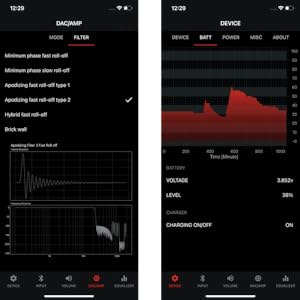
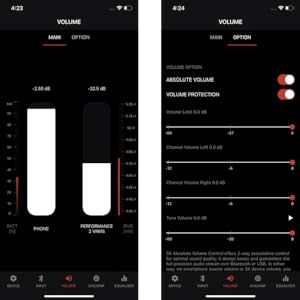
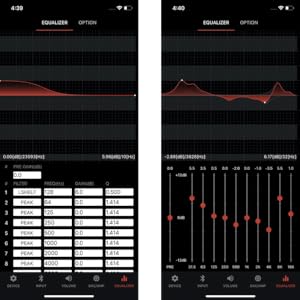
Believe the hype - the Qudelix 5K is such an advancement over other pocket DAC amps that it’s ridiculous. The star is the app, which allows for detailed sound customisation. You can use parametric EQ or a ten-band graphic equaliser. You can choose from hundreds of preloaded PEQ presets that cover just about every headphone and earphone in existence, and edit and tweak them if you like. That lets you get the sound tailored to your preferences, no matter how much of an audio nerd you are. Power-wise, the 240mW on balanced (2.5mm) output is good enough to drive 300ohm-100dB headphones, like the HD650 adequately, with some headroom left to spare. On the single-ended 3.5mm output, you need to crank both device and Q5K volume up to near maximum for the same kind of results. On more sensitive, low-impedance devices, like the Blon BL-03, for instance, you need to dial the volume way back. I listen with about 25dB of headroom for those (on balanced output, with about 5dB of headroom on the phone volume). The app has too many functions to list, but they’re all laid out intuitively, and reward experimentation. Plus, Qudelix updates the app and firmware regularly and takes user suggestions on board for new features. The option to have the device charge only up to 80% (thus extending the life span of the battery) is an example of the latter. Other good features include: -- The ability to have the device power on or off depending on what it’s connected to. -- The ability to draw power from USB selectively - you can disable charging when it’s connected to a phone, for instance, so it does not drain the phone’s battery. -- Super-fine-grained volume control. -- EQ settings are saved to the amp, so you don't lose them when switching devices. Battery life is decent - but not stellar if you're going to be using it in balanced mode all the time. The button placement and design on the Q5K is perhaps the only flaw on an tremendously well-crafted, well thought-out product that punches well above its category.
A**Y
Absolute gold, and built like a tank
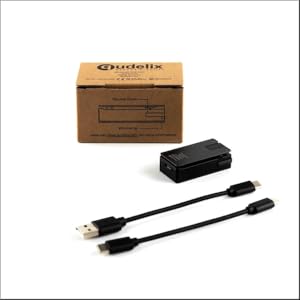
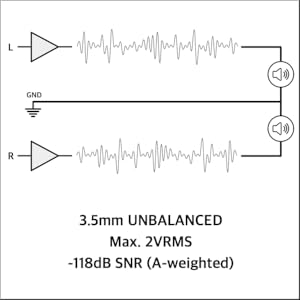
Bought my unit directly from the company in South Korea. Amazon as ususal is overpricing it. I got it for 15k after shipping and import duties. Have been using the Qudelix for my cycling rides for 4 months now. I can vouch that they are really well built. They can take the sweat, rough and tumble well. You can see the small scuffs on the clipp in my photos. I think their use of materials are spot on. I saw some reviewer saying that the clip broke, maybe he tried something odd with it. My unit have been thrown off my pocket during ride. And it is absolutely the most well built unit in this category. I had used a Btr3k earlier and I know what I am talking about. The company keep upgrading the internal firmware every month. The app is absolutely solid now. No crashes on the phone. So that department is covered. The company is very committed to this product and they are from South Korea. They have a lot of new features added like a digital crossover etc added in this time. In my opinion this is gold standard for what a bluetooth dac can do! Also they can work like a usb dac 96k max using a usb C cable. You have 2 in the box. You can use this as a desktop dac amp if you are on a budget. These can easily drive a large range of headphones and almost all iem's. I use the onboard digital dsp equalizer when I switch between my Blon BL03's (iem) or the HE4XX (desktop rig) or the IBasso Sr2's(desktop rig). I can say with certainity that this portable unit fairs quite well on the audio quality scale against my Desktop rig (Custom Allo Revolution Dac, Toppng D10s, IFFI zen dac and dedicated headphone amp Topping A50s). Yes you are not going to the get the dedicated amp level gain of volume. But what you get is usable and wont make you deaf. The sound stage is wide enough, and on tonality and details this little dac/amp holds on it own. I also use the Balanced output to drive the harder headphones. They have excellent power (2v single ended/4v rms balanced)and sound is absolute quality. It is great value for money! The cons, it is clunky to use. Because the button are opposing when you grasp it and press one side, the other button gets a phantom input. Especially when you are doing sports and outdoor activities. You have to develop muscle memory for control. It they upgrade the firmware for the new Lossless high bitrade Aptx codec it will be absolute bargain. May be they cannot - the bit rate is max 990 and the codec need 1000, maybe licencing and hardware limitations? Are you listening Qudelix?
M**L
Apple ist schuld. Seit Apple in Music Lossless Audio freigegeben hat, habe ich mal wieder angefangen etwas genauer hin zu hören. Deshalb habe ich mich in den letzten Wochen mit Kopfhörern und vor allem mit Digital-Analog-Wandlern beschäftigt….. Habe mir inzwischen auch noch ein Probeabo von TIDAL geholt.... Meine Anforderung war es einen DAC mit integriertem Kopfhörerverstärker zu haben. Vornehmlich für old school Blues, Rock und Hardrock. Da ich einen DT880 von Beyerdynamic mit 250 Ohm als Hauptkopfhörer betreibe sollte der Verstärker auch etwas Power haben. Abhörsituation: Wohnzimmersessel, nicht für Unterwegs. Bluetooth war mir zunächst nicht wichtig. (Das sollte sich aber noch ändern). Das Gerät sollte sich per Kabel an iPhone und Mac als USB-DAC betreiben lassen. Nach einigem Lesen bin ich auf Apogee Groove, ifi HIP DAC, FiiO BTR5 und eben den Qudelix 5k gestoßen. (Beim Groove hätte ich für den Betrieb am iPhone ein Powerpack benötigt. Da er vom Klang so gut bewertet war habe ich ihn dennoch mit getestet. Im Sessel hätten mich die Kabel auch nicht so gestört.) Ich habe die Geräte nicht messtechnisch verglichen. Da gibt es endlos viel Quellen. Meine Tests beschränkten sich auf viel Vergleichshören. In Kürze: der Groove klang spontan am "wärmsten“. Spontan, weil ich mit der Zeit gemerkt habe, dass es Immer einige Zeit benötigt, bis man die betonten Nuancen der Geräte wirklich erkennt. Denn die Unterschiede sind nicht sehr groß. Und es hängt natürlich sehr viel an der genutzten Abhöre. An einem anderen Kopfhörer ist sicher einiges anders. Gegenüber dem ifi HIP DAC empfand ich jedenfalls, dass es dem Apogee an Details mangelte. Der HIP DAC war nun mein Favorit. Allerdings bemerkte ich mit der Zeit, dass dieser -auch ohne die zuschaltbarem Bassanhebung- immer etwas zu viel Bass am DT990 erzeugte. Dennoch klingt das Teil sehr gut und sieht auch super aus. Der analoge Lautstärkeregler ist super cool. Nur würde mich der Bass nerven. Der BTR5 klang etwas analytischer und unten rum nicht so dick. Also noch ein paar Punkte mehr. Er war nun vom Klang meine Nummer eins. Hinzu kam die super kompakte Bauform und ein wesentlich niedrigerer Preis als die beiden erstgenannten. Die Verarbeitung finde ich auch die Beste der vier Kandidaten. Und er hatte Bluetooth. Das ist aber auch sein schwächster Punkt. Die Reichweite geht gegen Null (im Vergleich zu allen anderen Bluetooth-Geräten die ich so habe). Spätestens nach zwei Metern (ohne Hindernisse) kommt es zu Störungen. (Generell ist Bluetooth für mich -zumindest zum "richtigen" Musikhören nicht von Interesse, da zumindest am iPhone wegen des AAC-Codecs zu viel verloren geht. Habe auch mal mit einem Pixel 5 unter LDAC getestet. Das klingt schon toll. Hier höre ich keinen Unterschied zum Kabel). Und die App fand ich auch nicht so toll. Den EQ bekam ich nur im Bluetooth-Modus zum laufen. Nicht im DAC-Betrieb. Eventuell lag es an mir. Im USB-DAC-Betrieb konnte ich am iPhone die Lautstärke nur am BTR5 regeln, nicht am Gerät. Allerdings habe ich mal wieder meine alten Teufel-In-Ears ausgepackt. Seit dem bleiben die AirPod Pro im Schrank. Der Klangunterschied ist unglaublich. Nun zum Qudelix. Negativ: Es gibt für mich nur einen negativen Punkt. Den vorweg: er unterstützt "nur" 96kHz-Samplingrate. Die anderen Geräte 192 kHz oder gar 384 kHz. Das wundert mich vor allem im Vergleich zum BTR5, denn der Qudelix und der BTR5 haben meines Wissens den gleichen DAC an Bord, einen ESS 9218P. Ich weiß nicht, wie der Qudelix klingen würde, wenn er höhere Raten könnte. Zu dem Thema habe ich viel gelesen. Es gibt wohl mögliche Effekte. Aber wenn überhaupt für meine Ohren hörbar, dann vermutlich nur sehr marginal. Man müsste mal Qudelix fragen, weshalb z.B. der den gleichen DAC-Chip nutzende BTR5 192 kHz kann? Neutral: das Gehäuse wirkt nicht so hochwertig wie das des BTR5. Vor allem scheint die Oberfläche empfindlicher gegen Kratzer zu sein. Aber das ist Jammern auf hohem Niveau. Positiv: Nun aber zu den guten Dingen: Ich würde sagen, dass er vom Klang identisch mit dem BTR5 ist. Somit also parallel mit diesem auf Platz 1. Die iOS-App von Qudelix ist super aufgebaut. Man kann unheimlich viel auslesen und einstellen. Es ist gut strukturiert und verständlich. Sie funktioniert auch wenn der Qudelix mit einem anderen Gerät verbunden ist. Somit kann man auch dann Werte auslesen, wie z.B. welcher Codec aktiv ist, wenn das Gerät am PC hängt oder via Android einen Bluetooth-Stream per LDAC empfängt). Die für mich wichtige Integration in iOS ist super. Denn es kann in beiden Modi (Bluetooth und per USB) die native Lautstärkereglung des iPhone genutzt werden. (Auch am Mac funktioniert das sehr gut). Und: die Bluetooth-Reichweite ist sehr, sehr gut. Ich kann ohne Probleme in einen anderen Raum gehen, ohne dass es zu erkennbaren Störungen käme. So stelle ich mir das vor! Dadurch, dass die App viel besser aufgebaut ist, lässt er sich für mich besser anpassen. Grundsätzlich nutze ich keinen EQ. Aber…wenn man möchte... Der EQ kann neben dem, was man so kennt viel feiner getrimmt werden (Q-Faktor!). Es war ein leichtes den wärmeren Sound des HIP-DAC zu "emulieren“. Über Bluetooth (mit LDAC am Pixel) ist der Klang klasse. Am iPhone mindestens sehr gut (mehr geht halt hier leider nicht auf Grund des erwähnten Codecs). Zusammen mit meinen Teufel-In-Ears ist es aber in jedem Fall auch am iPhone um Längen besser als mit Apple-Ear-Pods oder Air Pods. Nebeneffekt: der Qudelix hat (wie der BTR5) Mikros eingebaut. Er kann auch für Telefonate genutzt werden. Hier muss ich allerdings sagen, dass er auf dem Kopfhörer gegenüber dem BTR5 (oder gegenüber Apple Headsets) etwas nasal klingt. Habe auch keine Anpassungsmöglichkeit dafür gefunden. Mein Gegenüber ist jedoch vom Klang begeistert. Der Qudelix kann integrierte "MEMS"-Mikros nutzen oder per TRRS-Stecker nach TIA Standard verbundene Kopfhörer mit Mikro. Und das Coole ist: auch während ich über USB-DAC Musik höre kann er per Bluetooth einen Anruf entgegen nehmen. Kein „schnell den Kopfhörer runter“, wenn man das denn so möchte. Einige schreiben ja von schlechter Akkuperformance. Das kann ich nicht nachvollziehen. Sollte sich im Laufe der Zeit etwas anderes zeigen würde ich das hier ergänzen. Zusammengefasst: ich bin begeistert vom Qudelix 5k. Er klingt hervorragend, ist durchdacht, super ausgestattet, winzig klein und leicht. Die Entwickler scheinen auch sehr umtriebig zu sein. Eine absolute Empfehlung. Ich habe gesehen, dass Qudelix sogar In-Ear-Kopfhörer mit aktiver Frequenzweiche für das Teil auf den Markt gebracht hat. Der Preis ist ein „no brainer“...Sind bereits bestellt….
Q**6
I used the QUDELIX 5K for a few months, sold it to switch to similar Bluetooth devices only to buy it again. The 5K is superior, and here is why: • Exceptional proprietary app, with instantaneous response time, undoubtedly the best on the market. Extensive EQ capabilities and customisation, making the devise a miniaturised professional amp. • Elegant and discrete design, with customisable light so you don’t feel festively decorated all year round. • Despite the minute design, the 5K has great control buttons, easy to locate and operate. • Truly integrated clip, which does not add bulk to the slick design. • Discrete battery life, 8hrs. • The crisp and balanced sound of the ES9219C DAC chipset. • Seamless automatic switching from Bluetooth amp to Dongle amp function (many other similar DAC amps require manual switching). • Finally, size and weight. This is the smallest and lightest Bluetooth DAC amp available. Mine is paired with IE200s and, clipped to the original Sennheiser cable, or 2.5 balanced cables by OpenHearth wrapped around the neck, is virtually impossible to feel. Obviously, a personal consideration but, based on my experience, the QUDELIX 5K is unrivalled in the space of ultraportable DAC AMPs.
H**K
The price-to-performance ratio is insane. I have several other products to compare with, such as the Chord Mojo 2, Chord Hugo 2, Audioquest Dragonfly Cobalt, Red, and more. The Qudelix 5K doesn’t quite keep up with Chord’s products, but then again, they’re not even in the same price league… That said, it’s clearly better than most of the gear I test it against. The versatility and sound quality are superb!!! I primarily use it as a headphone amp/DAC for the PS5, connected via the PS5’s front USB-C port. The headphones I most often use for gaming are the Sennheiser HD560S, and they sound really good together. I’ve also tried connecting it through the USB-C port on my iPad. Works flawlessly and even drives my Sennheiser HD600 impressively. This is through the unbalanced 3.5 mm output… I haven’t tried the balanced 2.5 mm output yet, but that would be really interesting.
E**N
Deze bluetooth DAC overtreft mijn verwachtingen: heel detailrijke klank, mooie textuur en timbre. Ik gebruik hem voornamelijk met een Queen Of Audio Vesper IEM en een Sennheiser/Drop HD58X hoofdtelefoon. Voor geen van beiden heb ik EQ nodig met de DAC. Zelfs een 30 jaar oude Sennheiser HD480 II klinkt, met slechts een beetje lift in de lage tonen, beter dan ooit tevoren. Het belangrijkste verkoopsargument van de DAC is de EQ, maar die is voor mij minder belangrijk, de instellingen in de app zijn zeker zo interessant. Er zijn enorm veel mogelijkheden. Een raad voor nieuwe gebruikers: doorloop aandachtig alle instellingen. Zoniet zal je enkele cruciale functies over het hoofd zien, zoals de 2 volumeregelingen in cascade. Uiteraard zijn er beperkingen: een hoog-ohmige hoofdtelefoon zoals de Sennheiser HD250II (300 ohm) is weliswaar nog net aanstuurbaar, maar daarvoor is de DAC niet gemaakt en dan moet hij echt "zwoegen". De bediening is een beetje wennen omdat de knoppen geen labels hebben, maar daar is een oplossing voor: de Qudelix 5K sticker by Sproketz.
G**S
so happy to be able to keep using my Shure earphones on the go when I was forced to upgrade away from my 3.5mm jack equipped phone. The sound is absolutely just as good as when wired!
Trustpilot
4 days ago
3 weeks ago