🎧 Elevate your audio game — don’t just listen, live the sound!
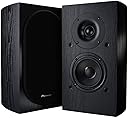
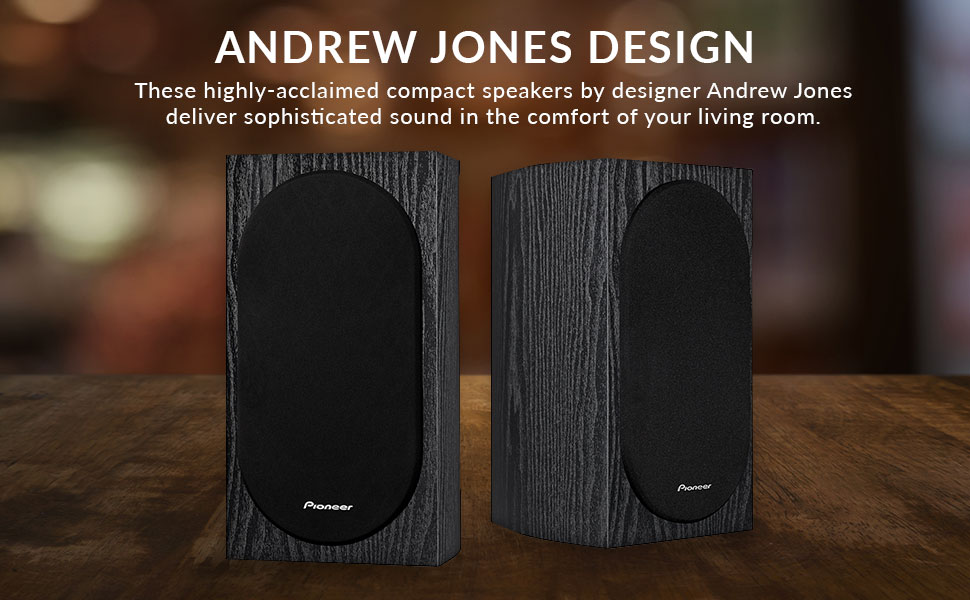
The Pioneer SP-BS22-LR Andrew Jones bookshelf speakers deliver award-winning, professional-grade sound with 80 watts power handling, a curved cabinet design to minimize distortion, and advanced woofer and tweeter technology for rich bass and clear highs. Perfect for millennials seeking immersive home theater or music experiences, these speakers combine sleek aesthetics with versatile placement options, making them a top-tier choice under $150.


| ASIN | B008NCD2LG |
| Antenna Location | Home Theater |
| Audio Driver Type | Dynamic Driver |
| Audio Output Mode | Stereo |
| Best Sellers Rank | #664,377 in Electronics ( See Top 100 in Electronics ) #747 in Bookshelf Speakers |
| Brand | PIONEER |
| Built-In Media | 1-Year Warranty, Pair Of Speakers |
| Color | Black |
| Compatible Devices | Gaming Console, Stereo Receiver, Television |
| Connectivity Protocol | Wi-Fi |
| Connectivity Technology | Wired |
| Control Method | Touch |
| Controller Type | Corded Electric |
| Customer Package Type | Standard Packaging |
| Customer Reviews | 4.7 out of 5 stars 1,385 Reviews |
| Global Trade Identification Number | 00012562906119 |
| Impedance | 6 Ohms |
| Is Waterproof | FALSE |
| Item Dimensions D x W x H | 7.12"D x 8.45"W x 12.55"H |
| Item Weight | 9.13 Pounds |
| MP3 player | No |
| Manufacturer | Pioneer |
| Model Name | Andrew Jones |
| Model Number | SP-BS22-LR |
| Mounting Type | Shelf Mount |
| Number of Audio Channels | 2.0 |
| Number of Items | 2 |
| Power Source | Corded Electric |
| Speaker Maximum Output Power | 80 Watts |
| Speaker Size | 4 Inches |
| Speaker Type | Bookshelf |
| Specific Uses For Product | Home Theater, Music Listening |
| Subwoofer Diameter | 4 Inches |
| UPC | 012562906119 |
| Unit Count | 2.0 Count |
| Warranty Description | 1 year |
| Warranty Type | Limited |
| Wireless Technology | Wi-Fi |
| Woofer Diameter | 4 Inches |
R**D
An Audiophile Bargain (*Updated*)
My initial experience with the SB22's did not go well. The first shipment arrived in a box that had clearly been dropped by FedEx. Cosmetically, the speakers were okay, but after hooking them up, it was clear something was wrong with one (the one, it so happens, that was on the side of the smashed box corner). So I took a flashlight and looked through the port hole in the back of the offending speaker and, lo and behold, a piece of insulation was dangling there, along with a wire. That explained the noise issue. So, I generated and RMA, and Amazon dispatched a replacement pair, along with a prepaid return label. (Long story short: "Boo, FedEx. Yay, Amazon!") Luckily, the ever-dependable UPS delivered the replacements in an immaculate box. I pulled out the new pair and everything was in order. Now I had a chance to listen to them properly. Wow. I was thrilled. For less than $100 a pair (when Amazon has them on sale, which is frequently), you simply cannot buy a better bookshelf speaker. (Okay, I've read that the Micca MB42Xs are great, too. But I haven't heard them, and the indications are that the Miccas are, at best, equal to the Pioneers.) These Pioneer's are definitely not studio monitors. If you want the most neutral speaker, that might not be ideal. But for everyday listening, that's probably a good thing. (All speakers have their own character, after all.) In the BS22s, there's a subtle bit of upper-high roll-off, as noted in some reviews, but that makes the speaker sound a bit "warmer" and makes them less fatiguing for long listening. The midrange is excellent. To a certain extent, I could hear the subtle "boxiness" in some male vocals on these speakers that a few reviewers have dinged the BS22s for. But it's very subtle, and paired with an amp or receiver that reproduces mids well, this (very minor) "boxiness" disappears. The bass is incredibly tight and robust for bookshelf speakers. Stunning, really. Using them in nearfield listening, I had to debate if I really wanted a sub. (Eventually, I did go for it, picking up the matching SW-8MK2 when it was on sale for $95 on Amazon. It's an excellent addition.) In short, these are excellent bookshelf speakers for the price. ***Update 8/22/14*** The BS22/SW8-MKII combination has broken in nicely over weeks of intensive listening. In fact, I was so thrilled with them that I snatched up another SW8-MKII and the Pioneer FS52s when they went on sale on Amazon. Once again, I have no regrets on the purchase. They are fantastic speakers for the price. Reading through the more skeptical reviews, I think there are two genuine criticisms worth addressing, and one general point to be noted: 1.) As I mentioned in my first review, the highs in both the BS22s and the FS52 (perhaps moreso in the FS52s, though I haven't listened to them enough to break them in yet) sound a bit "rolled off." Now, they don't sound muffled, and it's not clear to me that they're actually "rolled off." (Frequency response graphs that accompany several online reviews seem to indicate the high end is fairly accurate in these speakers.) The highs on these Pioneer's are very, very smooth, which is notable if you're used to a very bright speaker. At first, a bright speaker might sound better, because it grabs you more. But on long listening, you're going to prefer the one with the smoother high end. This is particularly true if you're listening to MP3s, even high birate ones. The "digital harshness" people talk about when it comes to "lossy" formats like MP3s is usually most easily heard in things like acoustic guitar string plucks or symbol crashes. The DAC you use (in your receiver, amp, or external box) will, of course, affect the extent of this harshness, but, all else equal, I find that the Pioneer speakers are very, very forgiving on digital music (even as, like all good speakers, they reveal limitations in poorly recorded albums, regardless of bitrate or format). The Pioneers eliminate much of the digital harshness, in part, because the highs on these speakers are so smooth. So, while these speakers might not satisfy those who prefer a very bright speaker, if you don't have strong feelings on the issue, you won't be sorry buying the Pioneers. 2.) Many call the sub the "weak link" in this system. Don't believe it. Or, if you do, realize that it comes with a very big asterisk. This is a great sub for the price. Very tight and musical. (It's not bloated or flabby like a lot of -- actually, nearly all -- budget subs.) Now, if you're looking for a deep-reaching sub to use for movies -- one that will rattle the fillings out of your teeth during explosions -- this sub will definitely disappoint you. However, if you want a nice musical sub that will blend in with these speakers, you're going to love it. 3.) Finally, it's worth remembering that a lot of the "these speakers are overrated" reviews on Amazon are coming from audiophiles who are used to $1k+ speakers. This is actually a compliment. Why? Because these are the people who would normally not even consider rating sub-$100 speakers. These Pioneer's are astounding in that they've received glowing reviews from publications that rarely pay attention to "budget" equipment, let along fawn over said budget equipment. (And, as mentioned above, you can look at the frequency response graphs in many of these audiophile magazine reviews to see that, despite some Amazon reviewers' protests, these are very well-balanced and accurate speakers.) I have no doubt, though, that the audiophiles used to McIntosh equipment and the like who bought these Pioneers as a throwaway whim might not think they live up to the highest of high end speakers. But isn't that actually a compliment that these Pioneers are even being evaluated alongside such expensive gear?!? I think so. Quite simply, many speakers that cost hundreds of dollars (let alone those that can be had for less than $100) sound awful. Just go into a local big-box electronics store and sample some. Their limitations are apparent very, very quickly. That's not the case with these Pioneers. Are they perfect? Of course not. But they're amazing for the money, and for the vast majority of people -- even budget audiophiles -- these are speakers that you're going to be very, very happy with.
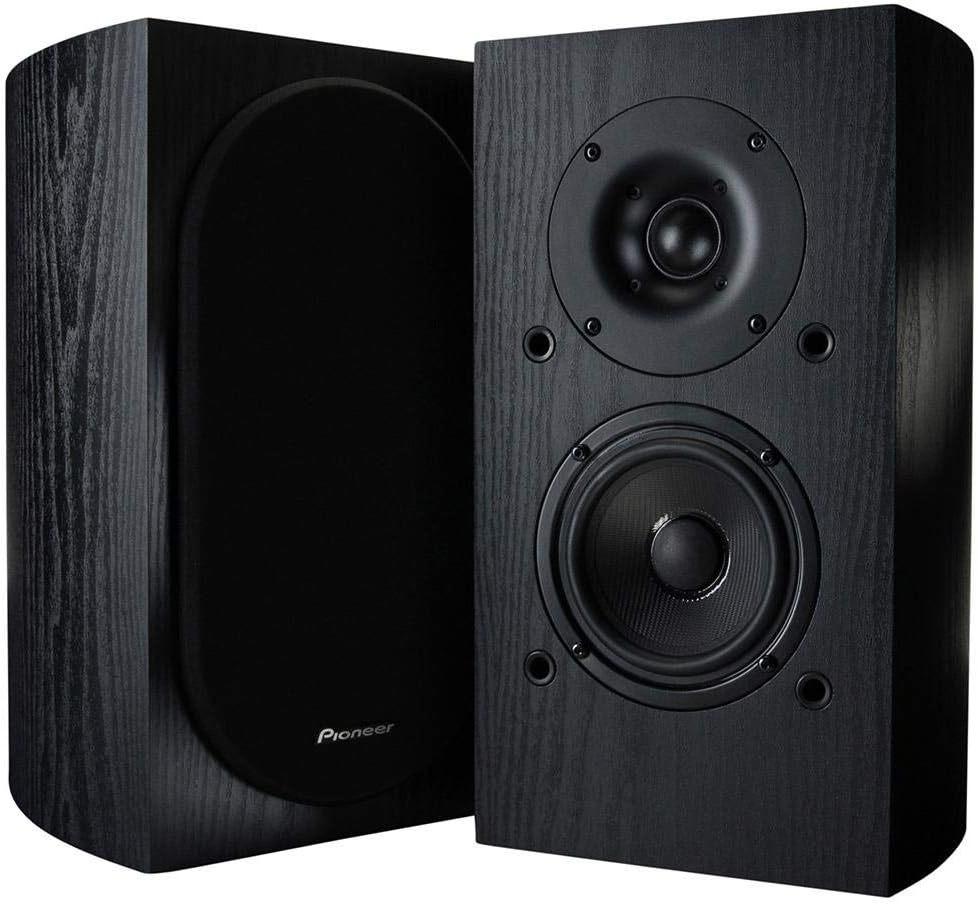
R**L
Seriously Good Speaker Pair At A Laughably Low Price; Buy Yours Before They Disappear From The Market
I didn't really need any speakers, but I've been reading so many good reviews and reports from audio enthusiasts in various forums and publications that I have been curious about these speakers for a couple years. Finally ordered a pair on sale and received them yesterday. I have large Klipsch Forte speakers in my living room flanking a custom built cabinet I designed to match the speakers. The set looks great - nothing will ever supplant them. Right now, though the little Pioneers are sitting atop the Fortes while I audition them for a few days - the Klipsch are disconnected and my big, heavy Adcom 200wpc, very high-current amp is driving the little Pioneers. My other two systems have Paradigm speakers connected that are also much more expensive - and larger than - the Pioneers. They'll hold their spots, too. So, you see I bought the Pioneer just for fun. Right out of the box they spell quality. Construction is outstandingly good for a speaker at this price - that remains true at twice their regular price. The curved cabinets are heavy, attractive, and designed to quell unwanted vibration. Grills are attractive and also designed with sound as a consideration. While this isn't surprising given the designer, it is unheard-of at this price. You don't have to wait for a sale for this to constitute a steal. However, all the design pedigree and quality materials and construction wouldn't matter if the speakers failed to deliver sonically. They don't fail - this will be the best speaker some, possibly many, folks have ever heard. Are they perfect? No, there's no such thing at any price. They don't have the bass of my large Fortes, nor did I expect they would. They don't sound anemic at all, these little guys may be taking steroids. The mids and highs are gorgeous. I've been listening to all kinds of music, from rock to jazz to classical and opera. I don't feel cheated, as though I were missing a lot; in fact, they sound wonderful. You will find no better sound anywhere near this price, and for many people the small size is a huge plus, right along with the small price. Those in the market for a bookshelf speaker should try a pair of these even if considering a larger expenditure. Don't let the low price deceive you, these are seriously good speakers. Very highly recommended; I could actually live with these. EDIT/UPDATE: I failed in my first review to mention that I used the Pioneers with a powered sub-woofer; I consider it essential for this speaker, unless the listener is willing to sacrifice the lower octaves, basically from 100hz down. Apartment dwellers who wish to avoid annoying their neighbors would be an example of the type situation in which such a restriction may be desirable. Also, the mids are indeed very good...but more complex, multi-instrument passages are a bit more of a resolution struggle for this speaker. However, that's judging it at pretty high standards, and many speakers more expensive than this model share the same issue. When price is factored in, the Pioneer comes in well above the average. I'm currently using them atop my Fortes again, until I can get the recapping done which the 30yo Klipsch need, and I'm really missing them. I will likely bring my Paradigm Mini Monitor speakers from the media room to the living room until the recapping is done. The Mini is much larger than the Pioneer and pricier - and it shows sonically in comparison with the Pioneer, which will benefit from the smaller room. I stand by my earlier review, though I probably overstated its midrange ability. On the other hand, as long as the reader understands that the low price is a major factor in play, then my comments are appropriate. One last point: Since the time I bought these speakers, Dayton has upgraded the old B652 to the B652AIR which sports an air motion tweeter which may make the speaker more sonically competitive with the Pioneer. I haven't heard the new model, so I cannot be sure of that, but it is one that may be considered by those looking in this price range.
K**O
has limitations of course, but amazing for the price.
Although this speaker has some limitations that become glaringly obvious when I do a side by side comparison to my Reference 3A DeCapo I speakers, such a comparison is totally unfair since the DeCapos cost $3000/pair! Considering their cost, the "musicality" and sheer listening fun of this speaker is amazing. I have numerous extended (4+ hours) listening sessions with these speakers, and I can say that with excellent sources they sound amazing- good high frequency extension, nuetral and balanced midrange, and good mid bass. There is plenty of midbass when powered adequately- I had to use my 120 w/pc Quad 909 amp to allow these speakers to have a decent mid bottom. When driving with my 17 w/pc Qinpu they sounded mushy and soft in the bottom end (in fact my Qinpu started to go intermittent when trying to drive these speakers, I think it overheated). Midrange is laid back but "honest" sounding. Excellent tonal nuetrality. No hint of overly forward midrange- if anything it's a bit soft (The DeCapos are just the opposite, they are pretty "forward sounding" due to a peak they have in the 1K range). For the pioneers, the laid back nuetrality helps to avoid excessive sybilance on the vocals and is an acceptable trade off to my ears. The highs are also on the "relaxed" side, not screechy at all- great for digital playback. All in all this is a very sweet sounding speaker, great for digital music playback where more often than not excessive grain and sybilance is an annoying artifact in the treble. I find myself turning up the volume with no complaints from the wifey. This is a good sign. These speakers play _music_! Unless you want to spend triple the asking price of these speakers, I doubt you will find anything as rewarding for long term listening. But be aware that they will need a lot of power to sound their best. UPDATE 7/18 Out of long time curiosity based on fabulous reviews and my belief in minimalist crossover design, I purchased a pair of Cambridge Audio S30 speakers. From a price/performance/market standpoint the S30s are a direct competitor to the Pioneers, so here are my impressions after comparitive listening: The S30s are much more "forward" sounding. The mids/upper mids of the S30s are more pronounced and bass does not seem quite as deep as with the Pioneers. The S30s sound excellent, there is no excessive sibilance in the mids/highs, and - especially for rock - they are more "attention getting". This can provide more "fun factor" but, over long listening sessions this can contribute to the infamous "listening fatigue" syndrome (where you feel you need a "break" from listening and the sound gets mildly annoying or irritating). A consideration between the two speakers is amplifier power. The Pioneers need a _lot_ of it to sound their best. In my opinion at least 60 wpc and ability of the amp to pump current down to 4 ohms. The S30s are much more efficient and sensitive. They sound fine driven by my Qinpu 17wpc tube/op amp hybrid (the Pioneers sounded "blah" driven by the Qinpu, and in fact that amp overheated and went intermittent trying to drive the Pioneers) Another plus for the S30s is that they sound much better at really low level than do the Pioneers. The Pioneers just completely die at low listening levels- dynamics and mid/highs just go flat. The S30s on the other hand sound pretty dern good in the mids/highs right down to very low listening levels, and the dynamics don't suffer too much. This is a big advantage whenever it is neccessary to really cut the volume to avoid getting clonked on the head by a family member during later evening listening sessions. All in all to sum up, if you have a lot of high quality amplifier power, and listen to a wide range of music at medium to higher volume levels I would tend to recommend the Pioneers. If you have a low power amp, or for whatever reason you need to keep the volume low for extended listening, and/or your prefer more "forward" sounding speakers, you will probably prefer the S30s. Both speakers are quality designs and simply make different "trade off" compromises at the price point...
D**.
A Good Bookshelf Speaker That Won't Blow Up Your Wallet
In my opinion these speakers are best suited to the task of primary stereo or home theater speakers in a small room (less than 1700 cu. Ft), or as surround speakers in a larger room if one requires a loud volume of sound. If, however, you don't require high volume these speakers may suffice in a large room. That said, these Pioneer bookshelf speakers are excellent, although a bit too large, but are priced appropriately at about $100 a pair. They have a fairly un-colored sound, realistic soundstage and decent imaging. In other words, the speaker's frequency range doesn't favor one area more than others (within the design limitations. more on that later.) Instruments, voices, and sound effects appear to come from three dimensional space, and are not smeared across the listening area. I listened to a variety of music and movies through them. Everything from Aaron Copland, to Pink Floyd. Movies from The matrix, The Terminator, Flash Gordon, to In Which We Serve. The Pioneers did just fine IF I kept the volume at a reasonable level (in my carpeted, 4000 cu ft room.) I then brought them into my small office (about 1700 cu. Ft) and played more music, at lower volume. The speakers sounded fine, and achieved adequate volumes without seeming to want to fly apart. However, once I raised the volume too high the speakers started to show their limitations; they sounded compressed, and distortion started to be audible. This is, however, to be expected given the design constraints of this type of speaker, and not a shortcoming. Now, I have one final caveat. I may be stating the obvious, but you should not expect the lowest octaves to be heard from these speakers without a subwoofer. Nope, not even close. And frankly they are also lacking in mid-upper bass impact. (they are, after all, only equipped with a 4 inch woofer) This is not a design flaw. It's the nature of these beasts. Mounting them in corners, putting them on the floor, or praying to the Great God of Bass will not make a 4 inch woofer rattle your chest with the low frequency rumble of a starship warp engine in a movie. So, if the sound of the footfalls of the fighting machines in War of the Worlds, or the base line of your favorite blues artist is important to you get yourself a competent subwoofer to team up with the Pioneers. Which left me wondering; why such a reletively large enclosure for such a small return in bass performance? I mean, I've got a pair of tiny (and ancient) Radio Shack Optimus 7 speakers with virtually the same driver complement as the Pioneers (4 inch woofer, and dome tweeter) that sound like they reach almost as low, and can get as loud as the Pioneers, but the Pioneers are 4 times the size of the Optimus! Also, the Optimus seemed to image better than the Pioneers, perhaps as a function of their much smaller size. IMO, the trade-off of imagining (not to mention bookshelf space), for bass is not worth the price. So, I knocked a star off the Pioneers for being, well, too fat. Update: I was bored by the lack-luster black finish the Pioneers came with. So, after first removing the drivers, and masking off the port, wire terminals, and label I gave them a coat of "Varathane" no oder Polyurethane. (Heavy use formula, interior, water based). IMHO the resulting gloss black is much classier. I also took the opportunity while the drivers were out to add just a bit of fiber fill to the inside. I like to think the sound has improved.
M**P
Must be heard to be believed
**Updated 5/31/2015 As I have piled on the hours and gotten to know these speakers better, I am still not sure how best to praise them - they continue to impress me (particularly after taking a break from them) with their gorgeous and breezy presentation of all kinds of music. Unlike so many other speakers I play with, they have a way of drawing me into the music and are more forgiving without sacrificing detail than my "harsher" systems of the past. The volume has a way of creeping up and up. My main criticism is that they seem to be revealing some of the limitations of my amps - while I want to push them harder at times, my amps are just a tad weak and either the speakers or the amps start to compress. Hopefully, I can find an excellent modern receiver this year to see what I can get from them at about 100 watts per channel. A tad punchier on the 2-channel amp (which gets a feed from an excellent Sabre-based DAC), my aging Yamaha is a little "soft" in the bass on the towers in particular, and overall sound is just a tad more grating at higher volumes, likely because the electronics within aren't quite as good as others I rely on (this thing was entry level over a decade ago). I am certain that a more modern receiver is going to really bring out the best in these as they seem to scale up with better equipment. I think it is worth blowing $600 on a receiver for these speakers, if only to ensure the most powerful amp possible at what can still be considered "high value" as opposed to "audiophile" prices. While I tend to this of these as music speakers, movies are excellent with these as well. The center channel is not as "bright" as I feared, producing excellent vocals, and pumps out big sound just fine and I haven't even bothered setting a crossover. The added dynamic range of many modern movies just makes the whole system a lot of fun to listen to. The subwoofer continues to be far, far better than the price tag would suggest, and while I want to get a 12 inch monster real bad, I am seriously tempted to pick up a second 8 incher and see if the hype about running multiple subs is true. For $99, a second box should help push the bass to levels that go beyond what I really need in my modest sized room. If you are curious, you owe it to yourself to try these speakers. Pioneer's home audio line, now owned by Onkyo, which itself is ruled by a bunch of financiers now, I have to wonder how many years of this sort of value are left? **Updated 3/27/2014 Current pricing ($87 for a tower, $67 for a center channel) seduced me into buying the whole line. I am running the whole system off a simple 2-channel amp (60 watts per channel), and it sounds awesome, with plenty of volume (the amp is apparently quite strong). Surprising punch with all drivers firing at once. The towers produce a gorgeous sound - great extension and excellent stage width and height. Solid imaging and airy midrange and treble. Like the bookshelves, they cast a wonderfully wide "sweet spot" whether I am seated or standing. Very realistic sound and also non-fatiguing. They produce good bass on their own, but I really love them with the subwoofer playing - full-range sound with guts. I would prefer them to the bookshelves if I only had one choice - they have a bit more "air" and can satisfy without a subwoofer. At some point I will get a new 5.1 receiver and let these serve home theater duty. I'll probably pick up two more towers for "surround" (and multi-channel stereo) duty and keep the bookshelves and subwoofer for a computer stereo setup. I would definitely invest in a good subwoofer (like an HSU) to finish the system off home theater duty. If you are on the fence about these, get off. At current prices, they are an absolute steal. You can't get sound like this, typically, without spending a heck of a lot more. For a detailed and instrumented test of this line of speakers, try a search on Audioholics. ***Revised 2/20/2014 I purchased the BS22s and SW-8MK2 from a box box retailer ($199 combined - a steal) because I wanted to put together a serious 2.1 system for a computer audio setup. I bought a 60 watt per channel amplifier for about $100 because a receiver was too expensive. The main con is the size of the system relative to other options, and some additional setup complexity. In-store, the Pioneers bested the Polks ($99) and were smoother and less 'forward' than a nice pair of Klipsch speakers ($250). The relatively low efficiency of these speakers (~85 dB), made them seem less lively during a-to-b switching, but cranking the volume up revealed a sweeter midrange and wonderful sense of space over and over again. Subwoofer choices were limited, but the pioneer seemed clearly more "musical", if a little less powerful than larger subs there, and I wanted to try to conserve space. The price was also a strong draw. I tried out the new 2.1 setup with a base-model Onkyo receiver that powers a HTiB setup bought years ago. It is rated for about 80 wpc. The room was approximately 20x10x10 ft, with hardwood floors, two entryways including one staircase. I figured the little 4-inch drivers of the pioneers and 50 watt sub would poop out before filling the room. They did not. The sub rumbled through the whole house, and the bookshelves soaked up the power and filled the room with sound. I did have the gain set very high on the sub initially (near max), but after throwing some jazz, rock, and then rap on had trimmed the crossover and gain further, until I was about 1-2 O'Clock on the dial. Despite claims of "great" or even "too much" bass, the BS-22 are no miracle worker on their own. They are not "tinny", they render bass lines and upright bass notes faithfully, but benefit greatly from the added bass of a subwoofer. The Pioneers gave a favorable impression - they sounded very relaxed while giving me just the right amount of "bite". They created a real "stage" in front of the TV, and had awesome imaging - the vocalists were always "floating" in front of me and sounding very realistic - even when I got up and moved around. They have the uncanny ability to "disappear". They rendered Chopin beautifully, I detected no grating frequencies and there was lots of "air" or "space". Keystrokes seemed weighted and natural. Metal had lots of thrash and energy, and pop vocals always seem present, realistic and fixed to the center. Hip-Hop and Rap couldn't strain the diminutive drivers. Overall, the sound quality rivals my much "higher end" headphones and exceeds other speakers I own on many levels (even $500 JBLs I got years ago). The more I listened, the more I realized that these speakers are just an amazing value. The subwoofer kept up with metal double-peddles and sounded smooth with jazz. It can sound a bit loose at some volumes and with some music, but then surprise you with deep, powerful bass. It blends in perfectly with the Pioneers - 'disappearing' if you get it placed and set correctly. I would call its overall character musical and balanced. Its shortcoming was with Blu-Ray movies. It sounded a bit "chuffy" and overworked during a very demanding passage. It can't reach the full depths of some movies and music (rated down to about 35 hz it will miss extreme bass drops). To my knowledge, its shortcomings relate to port design, not power, so there is little I can do but not push it TOO hard. I don't have a ton of experience with home theater subwoofers, but it is clear one will spend about $3-$500 before finding a true "do all" subwoofer. I can conclude that each speaker reached obnoxious volumes without distorting. Any amp with 50-100 wpc should be able to drive them past comfortable levels in small to medium rooms (not sure about very large rooms). For best possible results, I would recommend these for somewhat smaller rooms. Those that want the best, loudest deep bass and high SPLs should skip the sub (or consider buying two as even at $200-$300 there are still few great options) and look for bigger drivers and more power. As standalone speakers and subwoofer, these are a fantastic deal. As a 2.1 computer system they are totally awesome.
K**N
SP-BS22-LR Are Excellent Bookshelf Speakers! Audio Producer Tested and Approved! Read My Tips!
This review is for the SP-BS22-LR Bookshelf Speakers. A little about me is that I am an audio producer and have been producing music for more than 6 years. I bought these speakers when I moved into a new house and was setting up a new yoga room. I wanted good sound without spending a lot of money in my yoga room. When I very first turned these on I was disappointed, but that quickly changed once I got to know the speakers. There are many points that should be understood about these speakers: 1. There's a break in period before they start sounding good. After about 50 hours of playing music I don't notice any more changes occurring to the sound. In the first 5 hours the changes to the sound of the speaker were dramatic. At first kick drums seemed to have too much of a "pop" sound, but that has appropriately softened out. 2. After breaking the speakers in, the treble sounded like it was lacking detail. Boosting the treble on my receiver however did not solve the problem. It still sounded "washy" but then too much of it. Instead I removed the front speaker grills (this can be done with just your hand by lifting up gently by the 4 points where they're mounted). Suddenly the treble came alive. The "dark" sound of the speakers vanished and I could hear the subtle things in recordings like on my studio monitors (e.g. in a lot of piano recordings you can hear the player moving the foot pedals). Take the speaker grill off of these if you safely can (however this isn't always wise if they're in living room with kids, dogs, etc.!) 3. A lot of other reviewers describe these as "dark" (aka lacking treble). The ideal listening position for these speakers is with your ears level with the middle point between the woofer and the tweeter and the front of the speakers pointed directly at you. In this position they're actually slightly bright, and if you look at frequency response graphs, you see about 2db hill from bassline at ~12KHz (though there's also about 2db drop at 8KHz). 4. The tweeters on these speakers radiate more energy upwards than downwards when facing forward in the normal woofer at the bottom orientation. Therefore in you're going to be listening with the speakers below you, keep them in a normal orientation. However, if the speakers will be above your listening position, it works best to flip the speakers 180 degrees so that the tweeter is on bottom and woofer on top. This is what I did, as my speaker position is at chest height for a good compromise for listening both standing and sitting when practicing yoga. If your ears are below the speaker when it's normally oriented, these speakers will sound very dark. 5. These speakers resonate a lot (compared to $1000 studio monitors, in their price range they're about normal). If you look at a spectral-decay graph, there's a big region with a several millisecond delay from the mid-bass all the way to midrange. Therefore these speakers will resonate whatever you put them on. If you put them directly on a desk, TV stand, or shelf, the problem will be worsened. These speakers either need speaker stands or to be put on a piece of audio foam which will prevent most of the frequency transfer. At first, I didn't like the low and midrange until I put them on a piece of audio foam I cut up (link below for those interested) and got a huge improvement in sound. Previously the low end on anything with fast bass sounded washed out, but this cleaned up the sound of the speakers. This is why some other reviewers describe the bass like it's "trying too hard." Put these on foam! You'll be glad you did. Seismic Audio - SA-FMDM2-Charcoal - 2 Inch Charcoal Studio Acoustic Soundproof Foam Sheet - Noise Cancelling Foam Sound Dampening 6. Google speaker positioning and play around with the positions of your speakers. This can hugely affect sound. I'm limited as I wanted my speakers to use up as little room as possible (and are probably too close to the wall); but if I had more room I would likely move my speakers further from the wall. I listen to music on these with a 1-2db boost on the bass and a 1-2db cut on the treble. Overall in this configuration the speakers are slightly warm sounding, clear, and just pleasant and fun to listen to. These speakers are a steal at $100, as with the above tips you won't get better sound until you spend 3-5 times as much.
T**S
Pioneer SP-BS22-LR review.
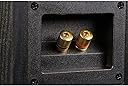
I got these for a secondary system and they will find their way to surrounds in a HT. Comparisons with my personal reference system: DIY speaker kit from Madisound using Seas Prestige drivers. The tweeters cost a little over $50 each… Emotiva pre-amp with high/low 12db bass control, Emotiva sub12 with 80hz crossover point, Sony SACD/CD player, Crown amp. Review and comparison. The Pioneers are the real deal. They are very well balanced, sound very clean, and they just sound right. The smaller bookshelf will likely have limited bass for most users. I find it lacking just a little, but used as surrounds with a sub, this will not matter. As they are, with a 4” woofer, they do a very good job, but do have an obvious bass roll off. If you want to buy speakers as a stereo set without a sub, I think it would be worthwhile to get the towers with larger woofers and a lower bass rating. When I ordered these, I had every intention of modifying them with Dennis Murphy’s upgrades. After listening to them and my intended use for them, I am not going to bother. Andrew Jones really did an absolutely wonderful job with these. I will likely add internal dampening to the boxes. The curved shape alone help with standing waves, but I will take it one step farther because the boxes have nothing. In keeping with tradition with what these speakers are, the low price, and how good they really are stock, I’m not going to do anything extensive with them. They really are that good; the reviews both pro and personal are 100% accurate. So, how do they compare too better drivers with another correct crossover? Well, overall, they have the exact same tonal sound and balance. The only difference really is, better drivers (notice, better, not more expensive) will have less distortion and sound just a tad cleaner, the tweeters in my reference system are better with top end and because my drivers are much larger, they can take more power (and I have the power to delivery), they can play louder without distorting, have a stronger presence, fill a room better with more three dimensional presence. What you don’t get with better drivers and higher quality speakers? A different experience overall. The Pioneers sound correct, balanced and clean. They sound a tad softer and the tweets don’t play as high. The tweeter is what is changed in the upgraded version, as well a re-worked crossover. They do have excellent off axis performance stock and make no mistake, the tweeters sound very good stock, but I understand why this speakers was upgraded by a 3rd party. I can’t wait to do surround sound with them. It would take about $500 and up of DIY non branded audio and a correctly designed kit to really beat these with an obvious upgrade. I am not aware of any branded marketed speakers anywhere near the same price range that are as good. From what I’ve read and researched, better doesn’t exist without going to a whole different price range. Even then, more expensive isn’t better in the audio world. They need to actually be better speakers too. Last but not least... If you don't like them out of the box, break them in awhile. It takes awhile for the drivers to loosen up and actually work with the design. I noticed the bass improved and I hope it continues to improve a little. I actually thought the bass sounded a tad thin at fist, but they opened up. I only have one negative thing to say about them, but it's more of a confusion thing. They are suppose to have 5 way binding post, but they don't seem to accept banana connectors. The owners manual only shows how to hook up bare wire and they have black and red plastic pieces where the connectors would go. I didn't try and pull them out because I know the crossover is attached to the back of the binding post and I didn't want to do anything aggressive with them. If they do accept banana connectors, the owners manual should be updated. I don’t generally like to meet strangers or anything, but I would like to meet Andrew Jones and listen to him talk over my head. Seriously, these speakers are just amazing.
W**N
Sound great, easy for cabinet project
Had a much more expensive pair of Andrew Jones speakers -- the (as of March 2019) fairly new Elac Debut 2.0 6.5" mids speakers which usually run $250-300 outside of sales. Researching one of these pairs often leads to the other and you wonder whether the price difference is worthwhile. I sold the Elacs and got these instead... Why? The Elacs sounded good in the sense of being extremely clear, with tiny details audible and a sense that you weren't missing a single thing except subwoofer-level bass. However, the Elacs were, to my ears, "neutral" to a fault. They didn't engage or excite me... regardless of volume or material, the hairs on my arms didn't stand up like when I listen to my big standing speakers (I have the 8" RP-280F Klipsch Reference Premier towers on a nice amp in another room). Though impressed in my head with the Elac's sound, after testing a variety of music I didn't find myself eager to keep playing more. I also tried some music and games and, once again, they were detailed, complete, and competent. A little bass, blended in almost so you had to think to notice it. Especially on sale, they'd probably be good hobby-level studio monitors... "Clinical" might be the right word, not meant in a negative way. Just not what my ears were seeking. The Pioneers, in contrast, were surprisingly warm and engaging. Not trying to exaggerate -- to be clear they were far short of, say, my big towers (or my tower's bookshelf-sized brothers which are also at a much higher price than the Pioneers). But this is one of the most reasonably priced speaker sets to ever give me goosebumps. They made my wife and I turn and smile at each other and we had to turn up the volume and try more songs. I also found the Pioneers to be more flexible. For my application, the speakers would be only a few feet from my ears at moderate volume and I found these to sound much more "natural" (not like an artificial speaker), and with a wider sweet spot, than the bulkier Elacs. Always found myself angling and moving my head level to get center-stage on the Elacs. My real hangup with the Elacs was something most of you won't care about, but led me to something you might care about in the Pioneer. Packaging. The drivers in the Elacs have a MUCH nicer and more complicated mounting system and in general a much more premium fit/finish/look than the Pioneers -- on cabinet alone, the Elacs make the Pioneers look like garage sale home-mades. The Elac's drivers are not perfect circles but are custom-fitted shapes with finished trim and premium small hex head screws, and fancy hard metal mesh over the tweeters. I wanted to port the drivers, bass ports, and internal crossovers/fill to a home-made enclosure and the Elacs would have required woodworking beyond my skill. So I saw the Pioneers with their basic circular mounts and easy, exposed screws and made the switch. My Elacs were a $150 sale buy and the Pioneers were $95. Luckily for me, not only were the Pioneers perfect for my custom project with their more old-fashioned cabinet design, I was pleased and surprised how much better they suited my taste. No knock on the Elacs which no doubt many people might prefer or have better ears to appreciate subtle qualities, but if words like "warm", "energetic," and "engaging" describe what you enjoy in a speaker, I would recommend trying a pair of these before you invest in the more expensive Elacs which are closer to $300 outside a sale... or before you try just about anything over $100! ------ CONTEXT since sound is so subjective: - Elacs and Pioneers tested with same music, powered by same amp (Audio Engine N22, class AB amp) with same fat-gauge cables - Both tested at desktop listening range and across the room (Pioneers also later tested once drivers/crossover circuits ported into a home-made enclosure above a bed, in which they still sound awesome playing ocean noise at night and music as a morning alarm!) - Both tested with CD-quality lossless audio and a few 96/24 lossless tracks, plus random Blurays and PC games. PC >> USB 96/24 DAC set to full quality with no software enhancements >> 3.5mm cable >> N22 amp >> 12ga home-made wiring >> speakers - My favorite home speakers are Klipsch Reference Premier, I've had a variety of cheaper theater and car audio from brands like Harmon Kardon, AudioEngine, Sennheiser, etc. On most systems, I find myself leaving crossovers and bass adjustments at neutral (or bumped just enough to hear the sub kick in) and treble neutral or just a notch above neutral. I have a variety but my favorite test tracks are mostly classic rock. - Tested both speakers with and without various subs I have around the house - Included a photo of my custom overhead enclosure in case you were curious but my observations were made with the original cabinets. ------ SUMMARY: - Elacs: much nicer looking/built, heavy and serious looking, crystal clear, neutral and 100% competent. Don't notice highs or lows, subtle and blended. No fatigue except sometimes forget they're playing. Very oddly-shaped (though nicely-made) driver enclosures if you are the .00001% of people wanting to steal hardware for a home design. - Pioneers: warmer, hairs on arms stood up, wanted to listen to more! Bass has a little more "presence," more noticeable than Elacs, still well blended/balanced. No fatigue from tweeters. Acceptable looking, curve case is eye-catching, but definitely lower-tier fit and finish and not space efficient though smaller/lighter than Elacs. Vinyl wrap about on par with way more expensive Klipsch Reference Premiers, both are subpar vs. Elac's tight finish. Easy to steal Pioneer's guts for another cabinet. ----- END. WHAT I SOLD / KEPT: I wouldn't have complained owning the Elacs at $150 sale/pair but got lucky to get the $95 Pioneers... To my surprise, the Pioneers are my kind of speaker! Even vs. my steal on the Elacs, these are STILL a steal.
R**.
No encontrarás otro producto que te dé más por tu dinero.
Bocinas de Repisa SP-BS22-LR Carácter: Neutro, sin enfatizar en particular ningún rango de frecuencias. Sonido general: Sonido natural, con buen balance y rango de frecuencias muy amplio, excelente para escuchar cualquier tipo de música. Agudos: Presentes y bien definidos pero suaves, no hay cansancio al escucharlos por horas. Medios: Impresionantemente naturales y fieles, los mejores que he oído en productos de cualquier rango de precio. Graves: Muy buenos sin ser excelentes, aunque debo decir que difícilmente encontrarás mejores graves en bocinas de este tamaño. Crossover: A los 3kHz impecable integración del woofer y el tweeter, imperceptible transición entre graves y agudos. Respuesta de frecuencia: Plana, una de las mejores gráficas de respuesta de frecuencia que he visto, desde abajo de los 60Hz hasta casi los 20kHz se mantiene prácticamente horizontal, esto difícilmente lo encontrarás en cualquier otra bocina sin importar su precio. Sensibilidad: 85dB/2.83V/m. Baja eficiencia pero se compensa subiendo un poco más el volumen. Potencia: 80watts, suficientes para llenar de sonido un ambiente 20m2 Calidad: Excelente calidad en acabados, gabinete, componentes y por supuesto sonido. Valor precio: El mejor valor por tu dinero, no encontrarás otro producto que te dé más por tu dinero. Información útil antes de comprar Subwoofer SW-8MK2 Carácter: Más enfocado a aplicación musical que para efectos sonoros de un teatro en casa. Sonido general: Sonido suave bajos agradables y naturales, no es muy explosivo ni ruidoso, es más bien afinado, preciso y natural. Tamaño de bocina: 8 pulgadas. Rango de Frecuencias: De 38Hz a 150Hz Crossover: Ajustable de 40Hz a 150kHz. Control de fase: De 0° y 180°. Potencia: 100watts máximo, suficientes para llenar de sonido un ambiente 20m2 Calidad: Muy buena calidad en acabados, gabinete, componentes y por supuesto sonido. Valor precio: El mejor valor por tu dinero si lo que ponderas es el sonido natural, por encima del ruido y las explosiones.
C**.
Excelente
Excelente produto. Potencia e qualidade. Muito boas as caixas.
A**N
Finally found a great set bookshelf speakers!!!!
I tried the Edifier's R1280T, the Miccas's MB42X and they both came close to these, yet they still lacked behind. Bass and mid-range in my opinion is much better on the Pioneer BS22 as well as I don't have to use the DSP correction to make it sound better compared to the Micca where the DSP correction is much preferred to get the most out of them. The Pioneer has a great bass response, obviously not low bass as that's what a sub-woofer is for. You can use these without a sub-woofer and still get great results, but I have them paired with the Logitech X530 sub-woofer which is alright, but i's better than having nothing on the low end IMO. By low end, I mean, below 70 Hz as these speakers can go down to 55 Hz, but the volume does seem to be lower compared to my X530 sub-woofer. I will end up with a better sub-woofer (DIY 8" sub-woofer) to replace the Logitech one, but for now, it's great. If you look at NoAudiophile's review on these, he measures a peak after 12k Hz which he corrected, but in my opinion, I like that peak as the DSP just makes it sound dull. I don't find these dull sounding at all as many have said that the Micca's have better high end, but I don't agree. This is why if you want to know which you want, get both the Micca MB42X and Pioneer BS22 to compare and keep the one that sounds better to you. I can also say that both these sets sound better than the Edifier R1280T, but again, this is all OPINION. Good sound varies from one person to another as you may come from TV speakers or $2000 speakers, but want these in your bedroom or as rear speakers for your surround system. Where it's placed also is a big factor, but I have them placed a almost a meter (~3 FT) apart in a pretty big room. I also heard about the Fluance SX6, but that's $200 CAD with tax and such, so I didn't want to test them as reviews suggest that they are close to the BS22, above or below them.
A**R
My home theatre setup
I own 2 pairs of these bookshelf and their matching fs52 tower and the centre channel c22 hooked to Marantz sr6012. For the subwoofer I chose Dali concept 12 inch sub, quite impressed with the setup, they do extremely well very satisfied. Planning to import the Atmos enable t22a(crossover need to be adjusted to handle from 80hz ,the default starts from 180hz which is recommended for top firing) and wall mount them on the ceiling, hope it blends well creating the best timber matching experience.
S**S
Will not disappoint you !
Good build and finish on this price point. Sound is good, bass is strong and good high.. Expected little more open sound, hope it will open up more after sometime.
Trustpilot
3 weeks ago
2 months ago